Home > Safety Engineering for Lithium Battery Systems
Safety Engineering for Lithium Battery Systems
LARGE ensures reliability with a five-layer safety system and 109 internal tests, keeping batteries stable under extreme conditions while meeting global
certifications (UN38.3 / IEC62133 / UL2054 / IEC60601).
Lithium Battery Safety Challenges
Five-Layer of Lithium Battery
Safety System
Cell Safety
· High-safety chemistries: LFP, low-cobalt NCM, pouch cells with explosion-proof design
· Flame-retardant separators for improved thermal stability
· Safety valves to prevent gas buildup and rupture
· Cell consistency control: strict sorting by capacity, internal resistance, and voltage
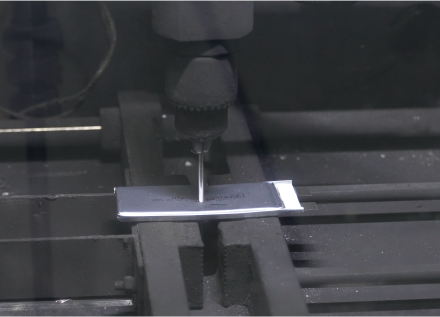
· Extreme tests: nail penetration, compression, heavy impact
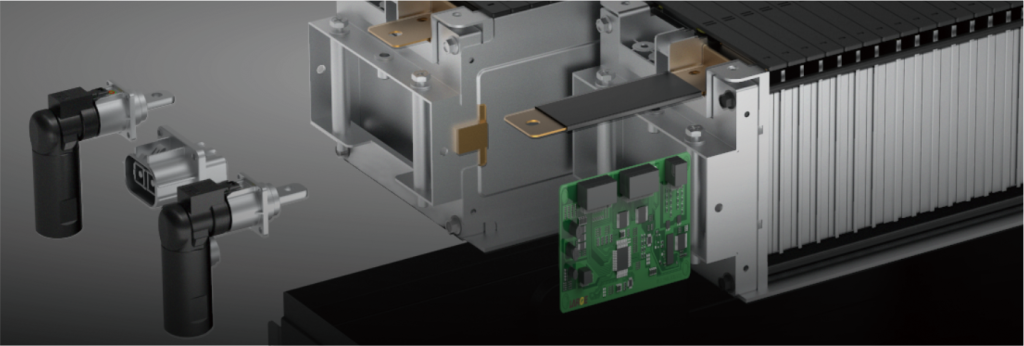
BMS Electrical Safety
· Multi-layer protection: overcharge, over-discharge, overcurrent, short circuit, temperature anomaly
· SOC/SOH/SOP intelligent algorithms
· Redundant dual temperature sensors
· Graded charge/discharge strategies
· Active/passive balancing
· Medical-grade electrical safety (IEC60601 compliance)
Structural Safety
· Fire-resistant materials (flame-retardant ABS, PC+ABS, metal housings)
· Explosion-proof structures (burst discs, explosion-proof chambers)
· Heat-dissipation design: thermal gel, aluminum plates, airflow channels, liquid cooling
· IP54–IP68 protection (water/dust resistant)
· Shock-resistant structures (reinforced ribs, fixing brackets)
· Corrosion protection (salt spray, humidity)
Thermal Safety
· Thermal simulation
· Thermal isolation
· Thermal runaway suppression
· Temperature monitoring
· Self-heating technology
Manufacturing & Process Safety
· Spot welding quality control (joint temperature rise / tensile strength)
· Consistent copper/ nickel busbar welding
· Insulation design (insulation paper, high-temp tape, spacing control)
· Tooling and fixtures to ensure batch consistency
· EMI/EMC process handling
· Full-chain traceability system
Testing & Validation for Lithium Battery Safety (109 Rigorous Tests)
Safety Tests
Nail penetration
Compression
Overcharge / over-discharge protection
Overcurrent / short-circuit protection
Heavy impact
External short-circuit
Reverse charging
Thermal runaway
Environmental Reliability Tests
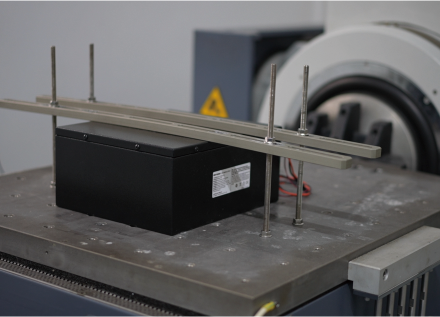
Vibration
Drop
High/low temperature cycling
High humidity
Salt spray
Water resistance
Flame retardancy
Low-pressure conditions
Electrical Performance Tests
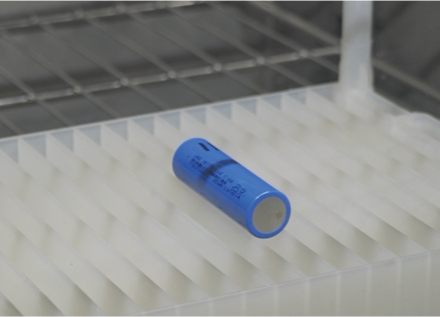
Voltage / capacity
Room-temperature cycling
High-temperature cycling
Low-temperature cycling
High-rate charging
High-rate discharging
High-rate cycling
State-of-charge retention
Global Certifications
industry safety standards and facilitating smooth project approval.
FAQ
How do your safety standards meet regional regulatory requirements?
We design batteries according to the customerís export region to ensure compliance with:
· UN38.3 (mandatory global transport standard)
· IEC 62133 / IEC 62619 (EU / International)
· UL2054 / UL1642 (North America)
· GB 31241 (China)
· Full test reports and certification support are available.
What safety measures are applied to your battery packs?
·Multi-level hardware protection (overcharge/over-discharge/overcurrent/short-circuit/temperature)
·Flame-retardant or high-temperature-resistant housings
·Thermal isolation structures and redundant safety space
·Safety valves, PTC, NTC temperature sensors
·Shock, drop, and puncture-resistant structural reinforcement
·Thermal management solutions as needed (heating/cooling)
How does the BMS ensure battery safety?
·Real-time monitoring of voltage, current, temperature, SOH, SOC
·Precise charge/discharge control to prevent abnormal conditions
·Automatic cut-off for overcurrent, short-circuit, or over-temperature
·Supports multiple communication protocols (CAN, SMBus, UART) for real-time status
·Cell-level balancing to prevent risks from uneven cells
Overview of IEC 62133-2 Standard
IEC 62133-2 is the most widely used international safety standard for rechargeable lithium batteries, covering:
·Mechanical, electrical, and environmental safety requirements for cells and packs
·Safety tests including overcharge, short-circuit, vibration, and temperature cycling
·Common compliance for medical, security, and consumer electronics
LARGE provides cell selection, structural design, and certification documentation in compliance with IEC 62133-2.
Can customized lithium batteries pass UN38.3 certification?
All products pass UN38.3 testing; certification reports are available to meet export requirements.
Will lithium batteries catch fire if punctured?
Using safe cells such as LFP, puncture tests show no flames, preventing thermal runaway.
What waterproof rating can your batteries achieve for outdoor use?
Supports IP65 water-resistance customization, suitable for rain and dust environments.
Lithium battery safety precautions
·Use manufacturer-specified chargers to avoid overcharge/over-discharge
·Avoid crushing, puncturing, dropping, or high-temperature exposure
·Do not store in metal, damp, or sealed environments
·Stop use immediately if overheating, swelling, or unusual odor occurs
·Use BMS-protected battery packs to reduce misuse risk
How to prevent lithium battery fires?
·Use safe chemistry cells (e.g., LFP)
·Implement a robust BMS protection system
·Avoid high temperature, high load, overcharge, and over-discharge
·Ensure stable structure; prevent crushing and puncture
·Use internationally certified batteries and chargers
·Apply thermal management where necessary (heatsinks, cooling, insulation)
What are the main causes of lithium battery failure?
·Overcharge/over-discharge leading to cell degradation
·High temperatures causing material decomposition and side reactions
·Low-temperature high-rate use causing lithium plating
·Vibration or drops causing internal damage
·BMS failure or inadequate protection
·Cell aging and excessive cycles
·Structural or welding damage causing increased internal resistance
Request Your Lithium Custom Battery Evaluation
We'll provide a tailored evaluation covering cell design, BMS strategy, structure, thermal management and safety engineering.