
Home > Thermal Management for Lithium Battery Systems
Thermal Management for Lithium Battery Systems
thermal interface materials, low-temperature self-heating, thermal simulation, and multi-point temperature monitoring. Ensure stable performance and safe
operation even under extreme conditions.
Why Thermal Management Is Critical
strategy, and thermal management. Common challenges include:

Lithium Battery Thermal
Management Solutions
structure and materials to control strategies — tailored to different power
levels and environmental conditions.
 High-Temperature Heat Dissipation Design
materials, and modular heat paths ensure controllable
temperatures under high-power operation.
Low-Temperature Self-Heating Technology
Thermal Simulation
dissipation and structural design, reduce experimental
iterations, and accelerate prototype validation.
Temperature Monitoring System
Thermal Management Solutions by Industry
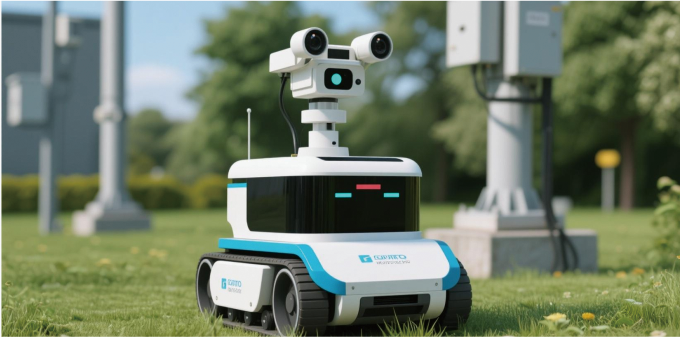
Robotics / AGV
thermal response required.

Medical Devices
continuous power.

Outdoor & Remote Equipment
capability.

Industrial / Oil & Gas
requirements.Thermal isolation and self-heating are critical.
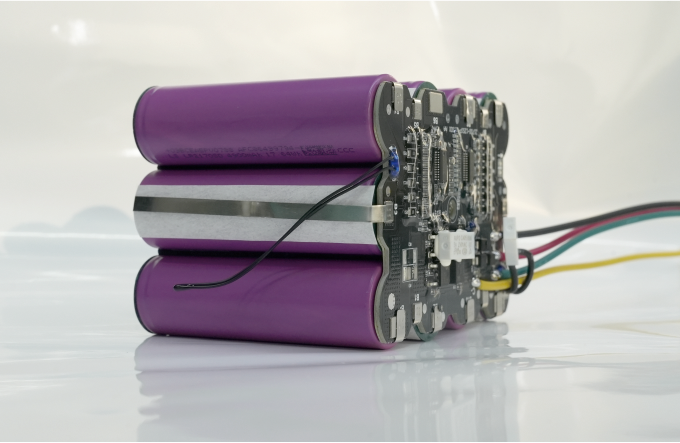
Core Advantages of Lithium Battery
Thermal Management Design
- End-to-End Development (Heat Dissipation Structure + Materials + BMS Temperature Strategy)
- Full-Range Operation: -40 to +85°C
- Low-Power Self-Heating Technology
- 100,000+ Thermal Management Units Delivered
- Concurrent Verification of Structure, Performance, and Safety
Testing & Validation for Lithium-ion Battery
physical testing, covering key conditions such as high/low temperature, cycling,
and high-rate operation.
High/Low Temperature Charge & Discharge Performance
Verify capacity, internal resistance, and cycle performance at target temperatures.

Heating Efficiency &
Power Consumption
Evaluate low-temperature self-heating energy consumption and recovery efficiency (typical =5%).
Long-Term High-
Temperature Aging Test
Assess the impact of prolonged high temperatures on capacity degradation and failure rate.
Thermal Balance &
Hotspot Testing
Locate hotspots, verify thermal resistance paths, and evaluate heat dissipation efficiency.
Thermal Simulation Verification
Compare CFD/thermal field simulations with prototype measurements to iteratively optimize design.
FAQ
What is lithium battery thermal management?
Thermal management uses heat dissipation, temperature control, and monitoring to keep batteries within an appropriate
temperature range, preventing overheating or overcooling, and ensuring safety, performance, and lifespan.
Why do lithium batteries need thermal management?
Battery performance, lifespan, and safety are highly temperature-dependent:
·High temperature accelerates aging and may trigger thermal runaway
·Low temperature reduces capacity and power performance
·Stable temperature improves cycle life and safety
How does thermal management affect battery range and lifespan?
·Stable temperature → lower internal resistance, higher efficiency → longer range
·Avoid high temperature → slower material degradation → longer lifespan
·Avoid low temperature → better discharge performance → more stable operation in cold conditions
Effects of temperature on lithium batteries
·Low temperature: capacity decreases, internal resistance increases, discharge performance deteriorates
·High temperature: accelerated degradation, shorter lifespan, higher risk of thermal runaway
·Optimal range: typically 10 – 35 °C for most stable performance
What is thermal runaway in lithium-ion batteries?
Thermal runaway is an uncontrolled process where the battery’s internal temperature rises rapidly and self-heats continuously, potentially causing smoke, fire, or explosion.
What causes thermal runaway in lithium-ion batteries?
Common triggers include:
·Internal short circuits (damaged separator, metal particles)
·Overcharge, over-discharge, or high-rate overcurrent
·High ambient temperature or insufficient heat dissipation
·Mechanical damage (crushing, dropping, puncture)
·BMS protection failure or improper design
How to prevent thermal runaway in lithium-ion batteries?
·Use safe and stable cells and chemistries
·Optimize structural design and heat dissipation paths
·Employ reliable BMS with overcharge, overcurrent, temperature, and short-circuit protection
·Keep battery operating temperature within a safe range
·Conduct safety tests (UN38.3, IEC 62133, etc.)
·Avoid high-temperature, high-load, or mechanically stressful environments
Does low-temperature heating consume a lot of power?
Using low-power heating strategies and intelligent temperature control, heating power consumption is typically ≤5%, with minimal impact on daily range.
Does heat dissipation design increase battery size?
Integrated structural designs embed heat dissipation components or share them with the enclosure, minimizing additional volume.
How to evaluate if a thermal management solution suits my device?
Submit your device’s power profile, operating temperature, and installation space; we provide a thermal risk assessment and tailored solution recommendations.
Request Your Custom Lithium Battery Pack Evaluation
We'll provide a tailored evaluation covering cell design, BMS strategy, structure, thermal management and safety engineering.