Home > Lithium Power Battery > 5V Lithium ion Battery
Custom 5V Lithium Battery Manufacturer
5V lithium batteries are widely used in low-power electronic devices and portable power systems, providing stable and safe power for compact electronic terminals.
With the miniaturization and integration of smart devices, higher requirements are placed on battery size, output stability, and safety.
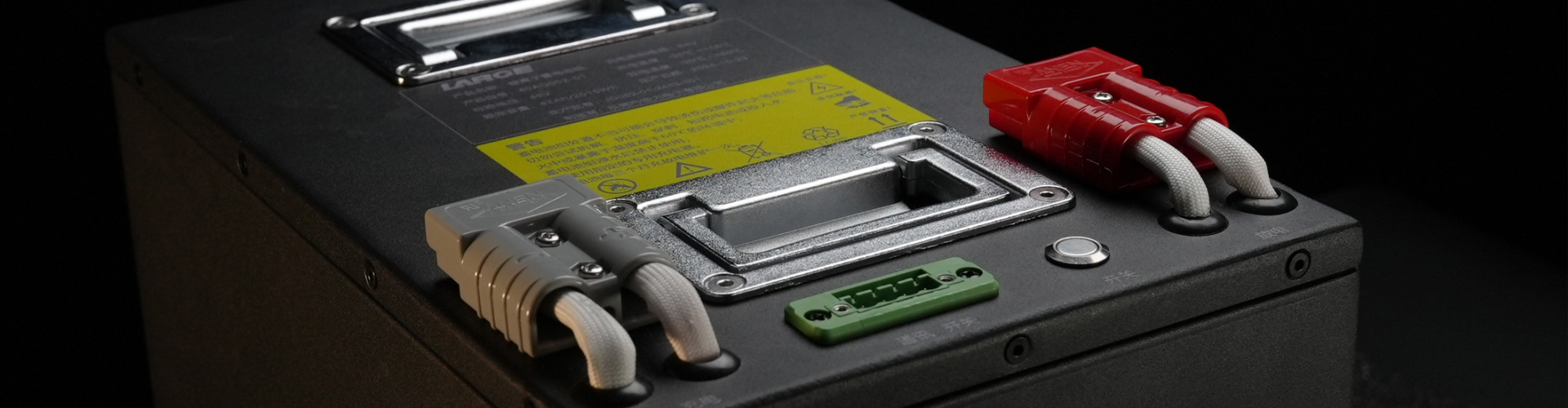
LARGE focuses on custom 5V lithium battery development, offering integrated solutions from cell selection and structural design to protection circuit design. This ensures an optimal balance between compact size, safety, and stable output, improving overall device reliability.
5V Lithium Battery Customization Capabilities
- Low Power Optimization
Designed for low-current devices to improve standby time and overall runtime - Lightweight & Compact Design
Small-form cells and optimized structure for space-constrained devices
- PCM Protection Circuit
Integrated protection against overcharge, over-discharge, overcurrent, and short circuit - Stable Output Design
Maintains stable voltage to prevent device reset or abnormal fluctuations
Technical Specifications
| Nominal Voltage | 3.7V / 5V |
| Capacity Range | .5Ah – 20Ah |
| Charge Voltage | 4.2V (single cell) 5V regulated input system |
| Discharge Cut-off | 2.8V – 3.V (cell level, configurable) |
| Series Configuration | 1S (single cell system) 1S + DC-DC regulated output |
| Discharge Rate | 0.2C – 3C |
| Cycle Life | 500 – 1500 cycles |
| Operating Temperature | -20°C ~ 60°C (standard) |
Note: Specifications can be customized based on application requirements.
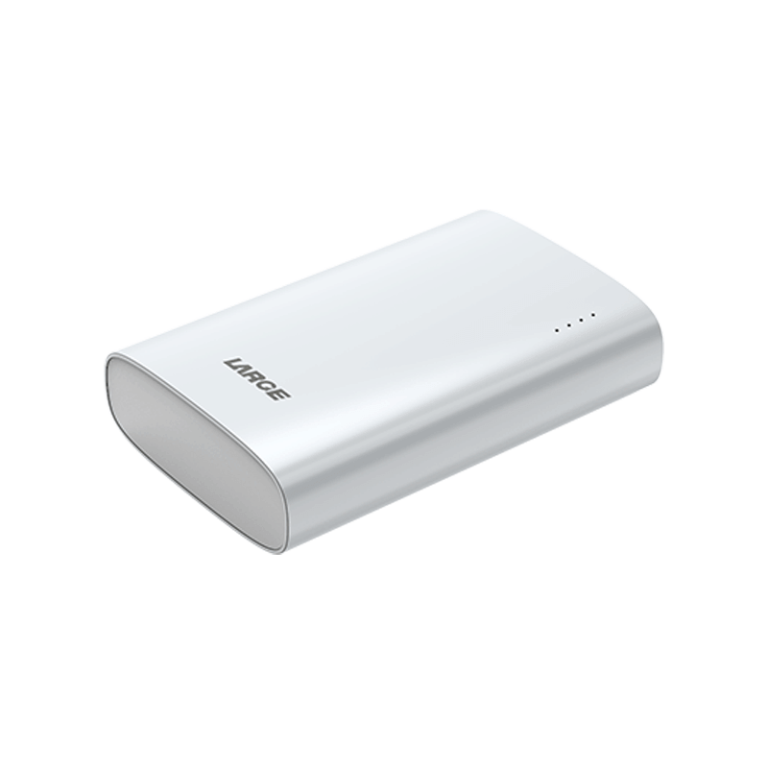
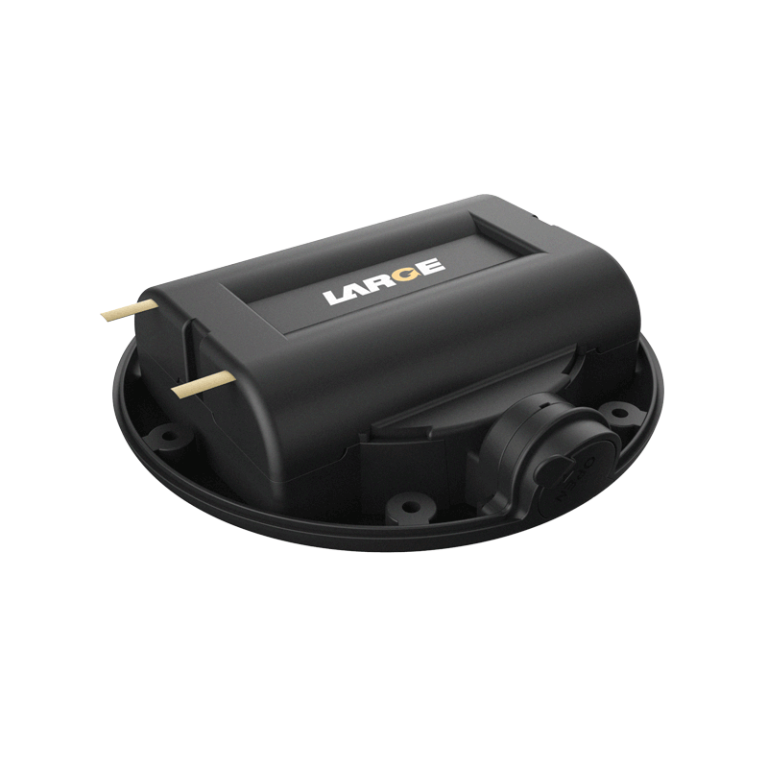
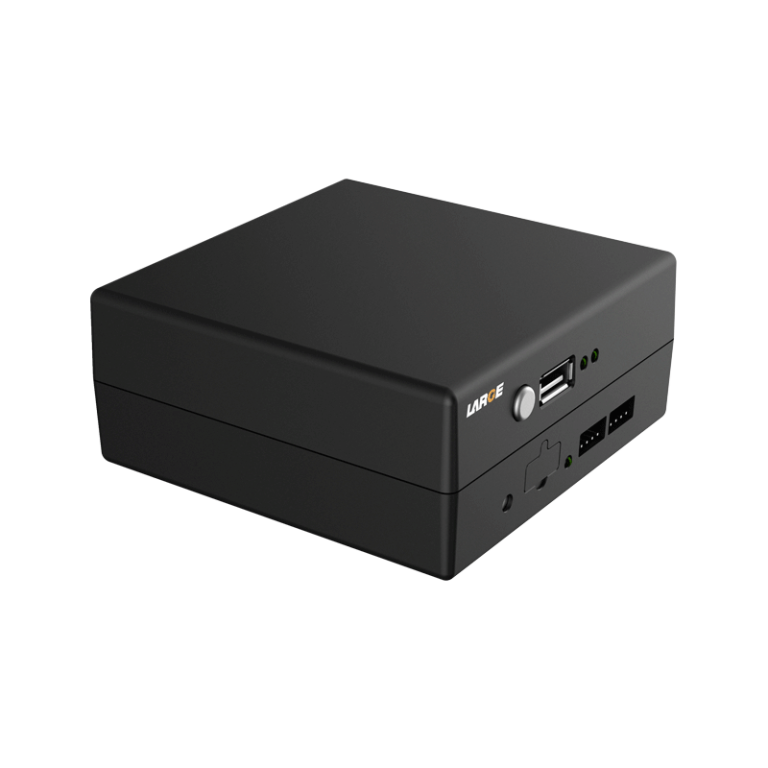
5V Lithium ion Battery Pack
Selected case references, customizable for different application scenarios.
5V Lithium Battery Pack Applications
Portable Industrial Instruments
Gas detectors, vibration meters, thermal imagers, digital multimeters
Low power optimization | Compact size | Long runtime
IoT & Smart Sensors
IoT sensors, smart metering, asset tracking, environmental monitoring
Ultra-low self-discharge | Wide temperature range (-40°C to 85°C) | Maintenance-free
Handheld Data Terminals
Warehouse scanners, POS devices, industrial PDAs
High energy density | Compact structure | Ultra-low standby consumption
Portable Medical Devices
Handheld ultrasound, glucose meters, pulse oximeters, portable ECG
High safety | Accurate fuel gauge | Medical compliance
Wearables & Consumer Electronics
Smartwatches, TWS earbuds, smart glasses, voice recorders, e-cigarettes
Ultra-thin flexible design | Lightweight | Fast charging support
Communication & Backup Power Modules
Small communication modules, routers, embedded systems
Stable voltage output | Strong anti-interference | Continuous power supply
Looking for the Right Battery Solution?
5V Lithium ion Battery Application Case
5V 2Ah Smart Meter Lithium Battery Solution
Project Background
A smart energy company developed wireless metering devices for water, electricity, and gas data collection and transmission.
The device operates in low-power intermittent mode, requiring long runtime, compact size, and stable power supply.
Project Challenges
- Long-term maintenance-free operation required
- Extremely limited internal space
- Low-power standby with frequent communication bursts
- High requirement for stable power to avoid data loss
Solution
- Custom 5V 2Ah compact lithium battery
- High energy density cells to optimize size and weight
- Low-power supply design for intermittent wake-up operation
- Integrated PCM for overcharge / over-discharge / overcurrent / short-circuit protection
Results
- Supports 3–5 years long-term operation
- Significantly reduced battery size for compact meter design
- Improved data transmission stability
- Lower maintenance frequency and operating cost
Low-Power Design Logic of 5V Lithium Batteries
Why Low-Current Design Matters
5V batteries are commonly used in smart metering, sensors, and IoT devices, which stay in standby mode most of the time and only activate briefly for data transmission.
Low-current design minimizes energy loss and extends overall battery life.
Standby vs Working Mode
In standby mode, the device runs at micro-current levels.
In active mode, it delivers short bursts of higher current for communication.
The battery must support this “low standby + pulse output” behavior.
Why Capacity ≠ Linear Runtime Increase
In low-power systems, runtime depends not only on battery capacity, but also on standby current, communication frequency, and system efficiency.
Simply increasing capacity does not proportionally extend runtime.
Key Selection Factors
Standby current consumption
Wake-up / transmission frequency
Overall system power architecture
Requirement for long-term unattended operation
Core Insight
- The key to 5V battery design is low power system optimization, not just larger capacity
- Proper matching of power consumption profile is more critical than capacity stacking
Related Lithium Battery Voltages
5V Lithium ion Battery FAQs
Can a 5V lithium battery be customized?
Yes. It can be customized in capacity, size, protection circuit (PCM), and discharge characteristics based on specific device requirements.
What is the price of a 5V lithium-ion battery?
The price depends on capacity, protection circuit, and customization level. Small standard units are low-cost, while industrial custom versions are higher.
Is there a 5V lithium-ion battery?
Yes. 5V lithium batteries are widely used in low-power devices such as IoT modules, smart meters, and portable electronics.
How many watts is a 5V battery?
Power depends on capacity and discharge current. For example, a 5V 2Ah battery stores about 10Wh of energy.
What is the best Li-ion cell configuration for a 5V project?
It depends on load requirements. Common designs use single-cell lithium systems with DC-DC boost or regulated output for stable 5V supply.
What is the difference between a 5V lithium battery and USB power?
USB provides external power supply, while a 5V lithium battery is an independent energy source designed for portable and embedded applications.
Get Your Custom Lithium Battery Solution
We provide end-to-end customization from design to mass production.