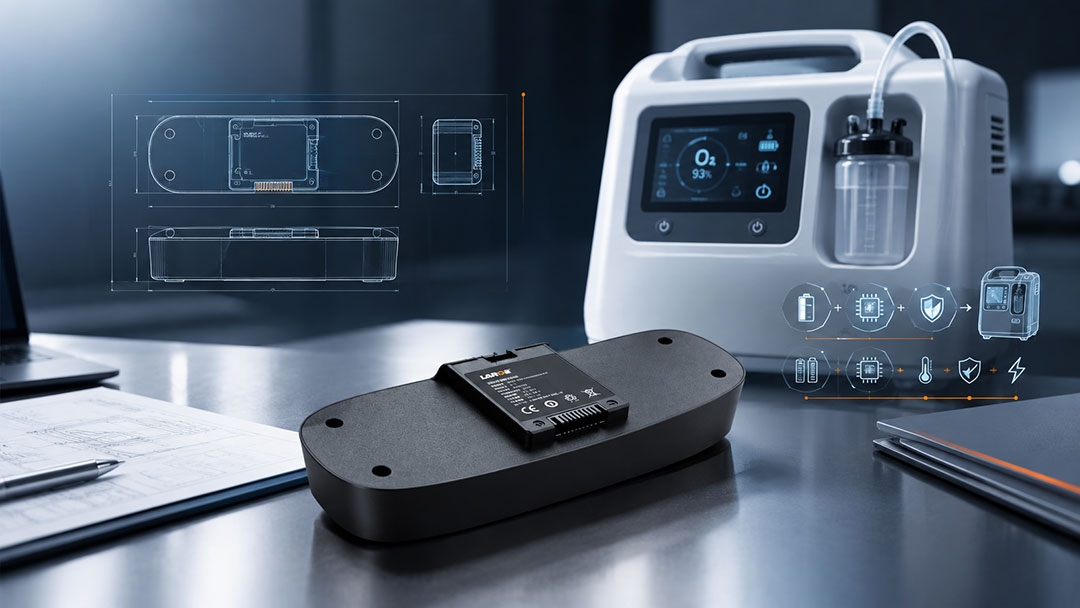
Medical battery design requires careful chemistry selection, protection circuits, and compliance with IEC 62133 and IEC 60601-1 to ensure safety and reliability.

In 1970s the first non-rechargeable lithium-ion battery was manufactured. It will in the 1980s when the first rechargeable lithium battery was designed.
Lithium based batteries are the most common battery chemistry in the world today. They come with the best features, including high capacity, high voltage, low maintenance and affordability.
Yes, it is possible to revive a dead lithium battery. In this case, we are talking about dead rechargeable lithium battery types, such as the famous lithium-ion batteries.
The 14500 lithium battery is a lithium battery with a diameter of 14mm and a height of 50mm. It is divided into a lithium iron phosphate battery and a lithium cobalt acid battery according to the core material.
The 18650 batteries are Lithium-ion rechargeable batteries. The scientific name for them is 18650 cells. They have a 3.7V voltage and have capacities between 1800 mAh and 3500 mAh.
Lithium-ion batteries are known across the globe as the most powerful battery chemistry today. But what many do not know is that these batteries have come a long way to be what they are today.