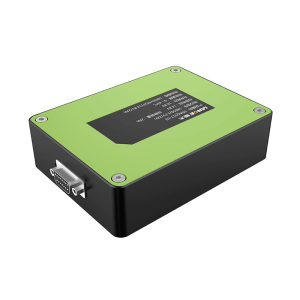
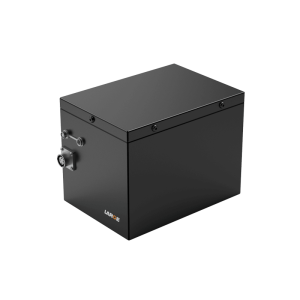
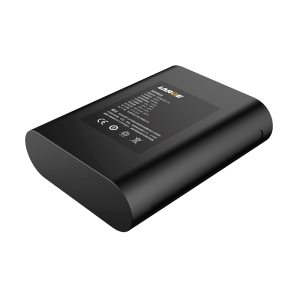
From the form of the all-solid lithium secondary battery, it can be divided into two types of a film type and a large capacity type. The cell packaging technology of all types of all-solid lithium batteries is similar, and the main difference lies in the preparation of pole pieces and electrolyte membranes.
The thin film type all-solid lithium secondary battery sequentially prepares various elements of the battery in the order of the positive electrode, the electrolyte, and the negative electrode on the substrate, and finally encapsulates into a battery. In the preparation process, it is necessary to separately prepare the film layers of the battery by corresponding techniques. Generally, the negative electrode selects most of the metal lithium and is prepared by vacuum thermal vapor deposition (VD) technology; the negative electrode of the electrolyte and the positive electrode including the oxide can be used for various splashes. Injection techniques, such as RF sputtering (RFS), RF magnetron sputtering (RFMS), etc., have also been studied to produce films using 3D printing technology.
Large-capacity all-solid-state lithium secondary batteries, due to their wide application range and large market, require rapid and low-cost scale preparation, and high-speed extrusion coating or spraying technology widely used in liquid lithium ion batteries can be used for reference.
The page contains the contents of the machine translation.