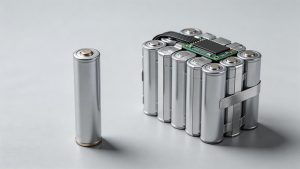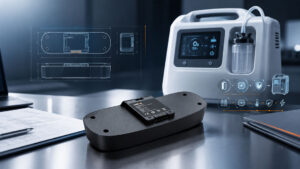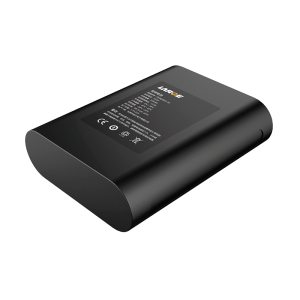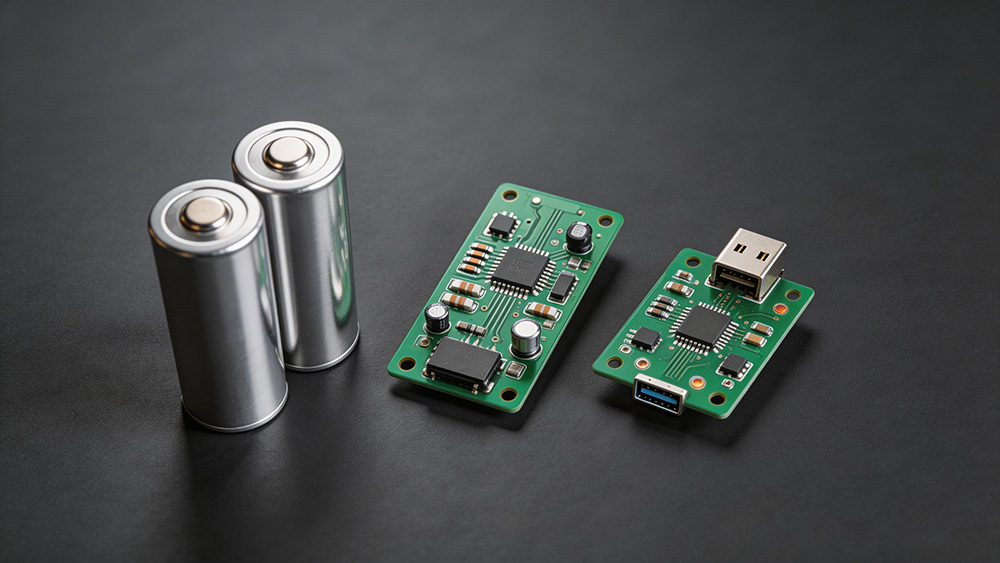
Designing a custom lithium battery pack is far more than selecting cells and connecting wires. In medical devices, industrial equipment, testing instruments, and AGV systems, battery design must consider electrical performance, mechanical integration, thermal management, control architecture, and safety compliance as an integrated system.
To address these requirements, LARGE adopts a structured five-dimension engineering framework:
Electrical – Mechanical – Thermal – Control – Safety
Key Takeaways
- Custom battery design must be system-driven, not cell-driven.
- Electrical performance defines capability, but mechanical and thermal design ensure reliability.
- BMS control strategy directly affects lifespan and stability.
- Safety design must be integrated at both cell and pack levels.
The five-dimension approach improves consistency and reduces engineering risk.
Electrical Design
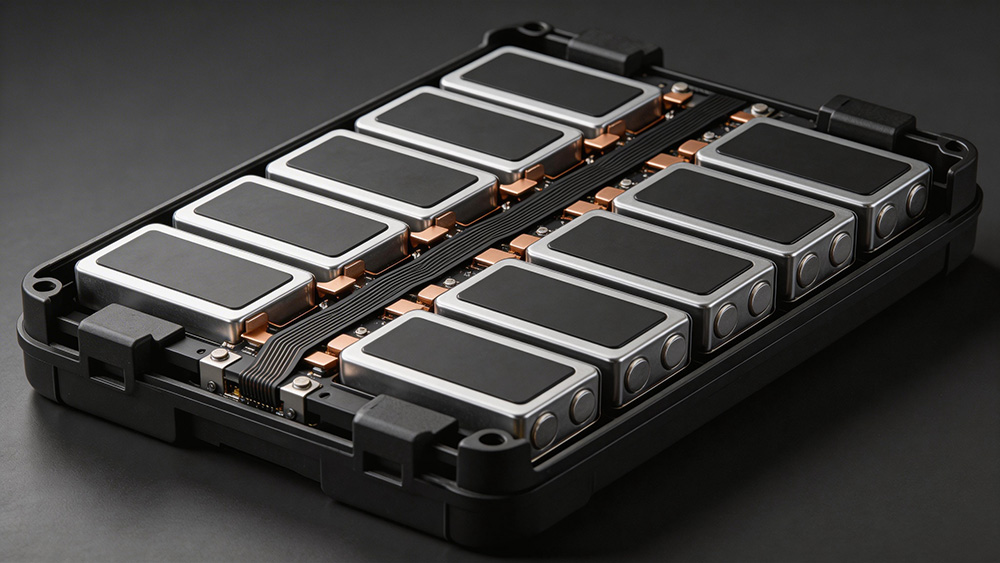
Electrical design defines how the battery delivers power to the system.
Key considerations include:
- Nominal voltage and working voltage range
- Capacity and runtime requirements
- Peak current and continuous current
- Series and parallel configuration
- Connector and cable selection
For example, industrial tools may require high peak discharge capability, while medical devices may prioritize stable output over high current bursts.
Electrical design forms the foundation of battery functionality.
Mechanical Design
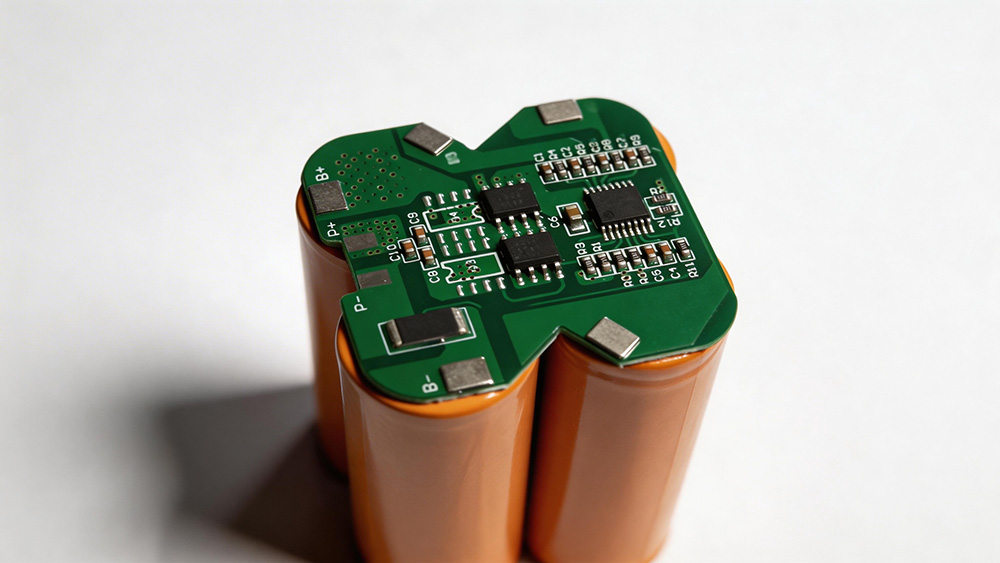
Mechanical integration determines how the battery fits into the final product.
Important factors include:
- Pack dimensions and weight constraints
- Structural reinforcement
- Vibration resistance
- IP protection requirements
- Mounting interface design
In AGV or industrial environments, mechanical robustness is essential to withstand vibration and impact.
A well-designed mechanical structure ensures durability and serviceability.
Thermal Design
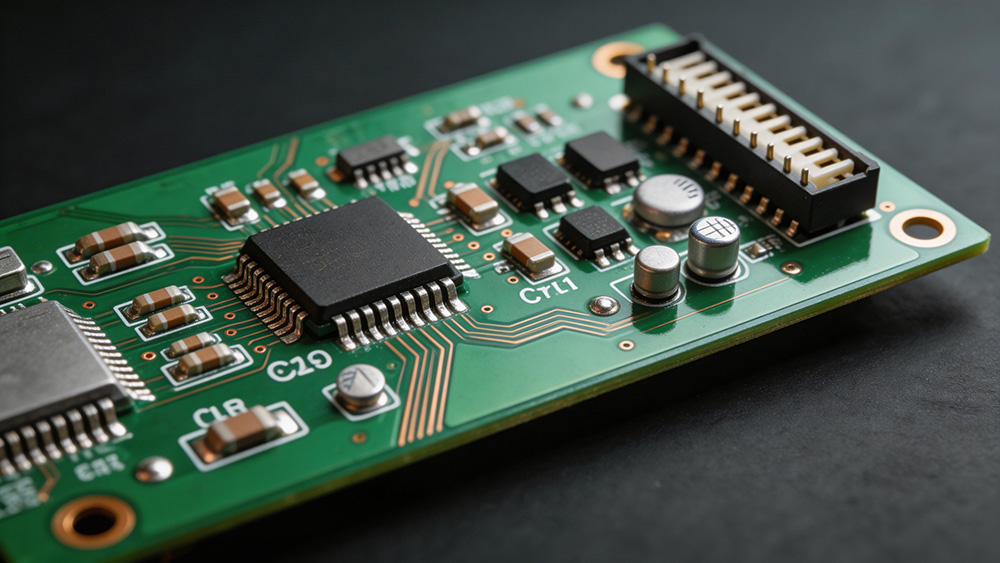
Lithium batteries are sensitive to temperature.
Thermal design ensures the battery operates within safe temperature limits under various load conditions.
Key considerations:
- Heat generation under load
- Natural vs forced cooling
- Thermal interface materials
- Temperature sensor placement
- Operating environment range
In compact medical devices, thermal space is often limited, making early thermal evaluation critical.
Control Design
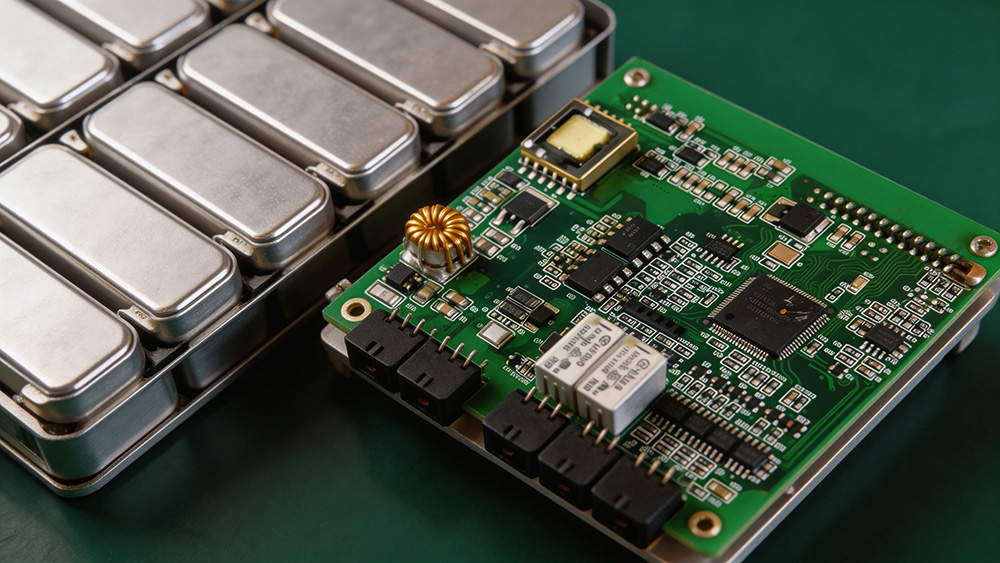
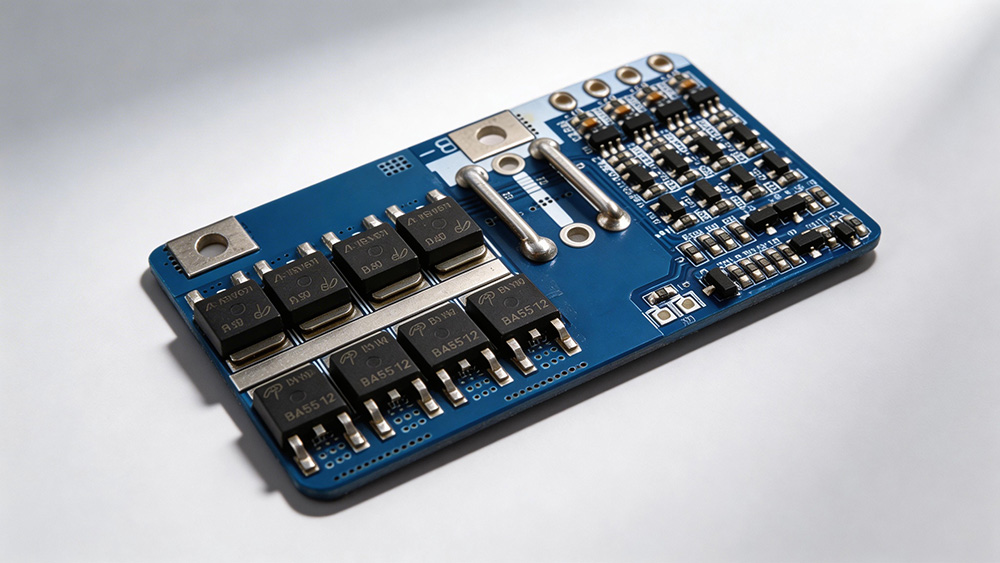
Control design refers primarily to the BMS architecture.
This includes:
- Monitoring accuracy
- Protection thresholds
- Cell balancing strategy
- SOC estimation method
- Communication protocol
For industrial systems, communication reliability may be critical. In medical applications, control redundancy and fault detection can be particularly important.
Control strategy directly affects system stability and battery lifespan.
Safety Design
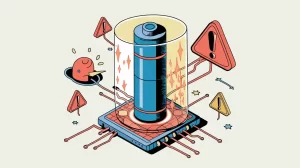
Safety is not a single feature—it is a layered engineering concept.
Battery safety design may include:
- Electrical protection layers
- Thermal protection
- Structural isolation
- Fuse or secondary protection devices
- Compliance with applicable standards
In regulated industries, safety architecture must align with certification and risk assessment requirements.
At LARGE, safety considerations are integrated throughout the entire design process rather than treated as an afterthought.
Why the Five-Dimension Approach Matters
Many battery issues originate from focusing on only one dimension—for example, optimizing capacity without considering heat, or reducing size without evaluating mechanical stress.
The five-dimension framework helps balance performance, durability, and safety from the early design stage.
For medical, industrial, and automation equipment, this structured approach reduces development risk and improves long-term reliability.
FAQ
Is electrical design the most important part?
Electrical design is fundamental, but without proper mechanical, thermal, and safety design, system reliability may be compromised.
Can a battery be customized in only one dimension?
In most industrial applications, multiple dimensions must be evaluated together to ensure compatibility and compliance.
Why is safety treated as a separate dimension?
Because safety involves electrical, mechanical, and thermal aspects and must be addressed systematically.
Final Note
Custom lithium battery pack design is a multidisciplinary engineering process. By integrating electrical, mechanical, thermal, control, and safety considerations into a unified framework, battery systems can achieve stable and reliable performance in demanding applications.