For decades, lead-acid batteries were widely used in backup power systems, industrial equipment, mobility platforms, and standby applications. However, in many modern systems, lithium batteries have increasingly become the preferred solution.
This shift is not driven by trend alone. It reflects evolving performance requirements in today’s equipment design—higher energy density, longer service life, reduced maintenance, improved charging efficiency, and better system integration flexibility.
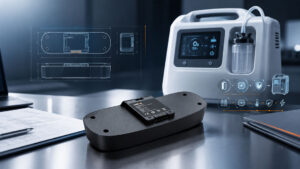
For medical devices, industrial systems, AGV platforms, and testing instruments, lithium battery technology offers practical engineering advantages that align with modern product development needs.
As a custom lithium battery pack manufacturer, LARGE supports equipment manufacturers transitioning from lead-acid systems to lithium-based battery solutions.
Key Takeaways
- Lithium batteries typically offer higher energy density than lead-acid batteries.
- Lithium systems generally provide longer cycle life under comparable operating conditions.
- Lithium batteries require less routine maintenance.
- Lithium battery systems can support faster charging when properly managed.
- Replacing lead-acid with lithium requires proper electrical and system evaluation.

Higher Energy Density
Energy density refers to how much energy a battery can store relative to its weight or volume.
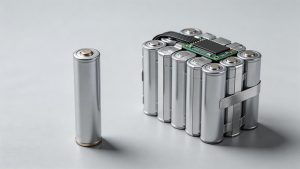
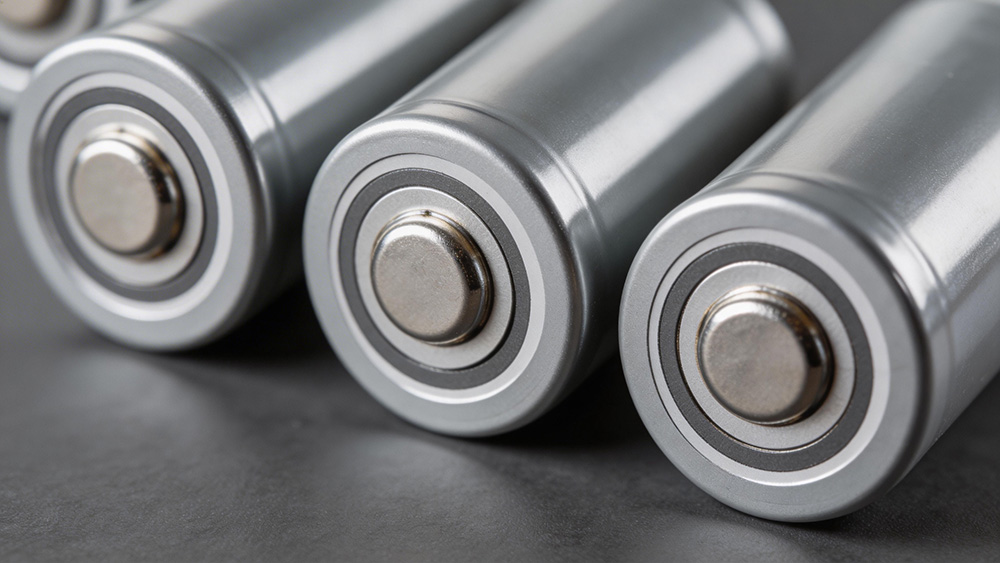
Lithium-ion batteries generally provide higher gravimetric and volumetric energy density compared to traditional lead-acid batteries. This means more usable energy can be stored in a smaller and lighter battery pack.
For equipment manufacturers, this enables:
- Reduced battery weight
- More compact product design
- Increased runtime within the same space envelope
In portable medical devices and compact industrial systems, reducing weight and size can significantly improve usability and system efficiency.

Longer Cycle Life
Cycle life indicates how many charge-discharge cycles a battery can complete before its capacity declines to a defined threshold (commonly 70–80% of original capacity, depending on specification).
Under comparable usage conditions, lithium batteries typically deliver more cycles than lead-acid batteries. While actual performance depends on temperature, depth of discharge, charging method, and system design, lithium chemistries generally experience slower capacity degradation in cyclic applications.
For industrial equipment operating daily, extended cycle life can reduce replacement frequency, lower maintenance interventions, and minimize downtime.

Reduced Maintenance Requirements
Traditional flooded lead-acid batteries require periodic inspection and maintenance, such as electrolyte level checks and equalization charging.
Lithium batteries are sealed systems and generally do not require routine electrolyte maintenance. When combined with an integrated Battery Management System (BMS), lithium battery packs can automatically manage voltage, current, and temperature protection.
This makes lithium battery replacement particularly attractive for:
- Remote installations
- Automated systems
- Medical equipment in controlled environments
- AGV platforms operating continuously
Lower maintenance requirements can improve operational efficiency and reduce long-term service costs.

Charging Efficiency and Speed
Lithium batteries typically demonstrate higher charge efficiency compared to lead-acid batteries.
Lead-acid batteries often require multi-stage charging, including bulk, absorption, and float stages, which can extend total charging time. In contrast, lithium battery systems—when properly designed and managed by a BMS—can accept higher charge rates within defined safety limits.
For industrial applications where equipment uptime is critical, faster and more efficient charging can improve system availability.
However, charging systems must be correctly matched to lithium battery specifications during any lead-acid to lithium battery replacement project.
Weight Reduction and Structural Flexibility
Lead-acid batteries are relatively heavy due to their chemistry and construction.
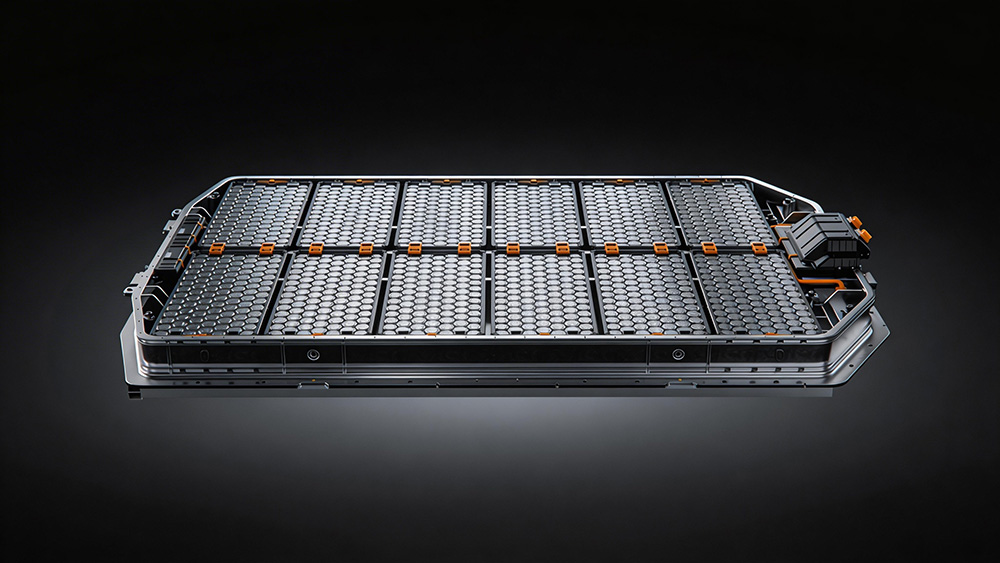
Lithium battery packs can be engineered with greater structural flexibility, including customized shapes and modular configurations. This design adaptability is particularly useful in:
- AGV systems
- Mobile industrial platforms
- Compact medical devices
- Integrated instrument systems
Reduced weight can improve maneuverability, reduce structural load, and enhance overall equipment efficiency.
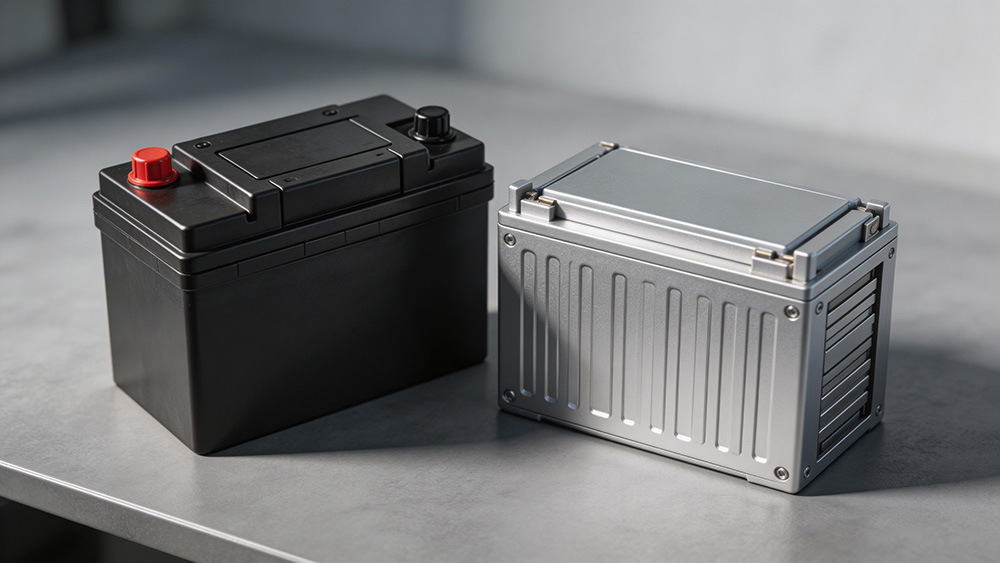
Important Considerations When Replacing Lead-Acid with Lithium
While lithium batteries offer multiple advantages, replacing lead-acid systems is not always a direct drop-in process.
Key evaluation factors include:
- Nominal and maximum voltage compatibility
- Charging system adaptation
- Current requirements
- Mechanical integration constraints
- Regulatory and certification considerations
Lithium battery systems require integrated BMS architecture for monitoring, protection, and cell balancing—functions that differ fundamentally from traditional lead-acid battery management.
A properly engineered transition ensures performance stability, safety compliance, and long-term reliability.
FAQ
Are lithium batteries always better than lead-acid?
Not in every scenario. For low-cost, stationary backup applications with minimal cycling, lead-acid batteries may still be used. The optimal choice depends on performance requirements, lifecycle expectations, and budget constraints.
Is lithium battery replacement a simple plug-and-play upgrade?
Not necessarily. Electrical compatibility, charging profiles, and safety systems must be evaluated before replacement. A system-level engineering review is recommended.
Are lithium batteries safer than lead-acid batteries?
Both technologies have specific safety considerations. Lithium battery systems rely on properly designed BMS architecture and thermal management to operate safely within defined limits.
Conclusion
The transition from lead-acid to lithium batteries reflects evolving technical and operational requirements in modern equipment design. Higher energy density, extended cycle life, reduced maintenance, and improved charging efficiency have contributed to lithium’s increasing adoption across medical, industrial, and automation sectors.
For manufacturers planning a lead-acid battery upgrade or developing new systems, lithium technology offers flexible engineering possibilities—provided the transition is properly designed and evaluated.