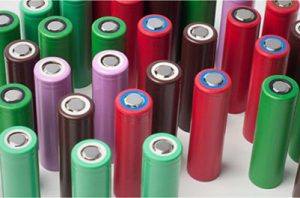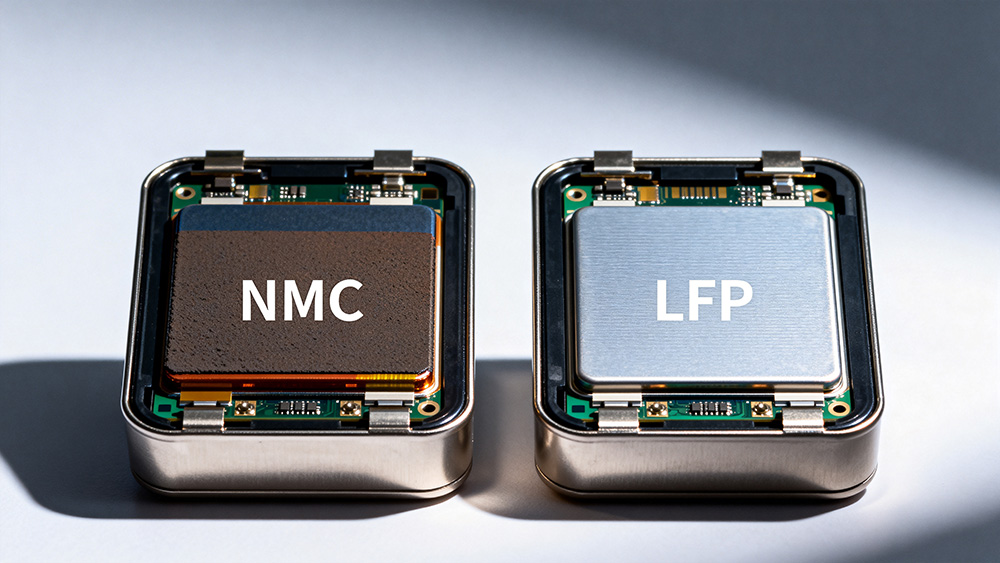
Lithium-ion batteries are widely used in medical equipment, testing instruments, industrial tools, AGV systems, and other professional devices. Among commercially mature lithium chemistries, NMC (Nickel Manganese Cobalt) and LFP (Lithium Iron Phosphate) are two commonly used options.
As a lithium battery manufacturer focused on medical and industrial applications, LARGE provides customized battery pack solutions based on safety requirements, energy demand, operating environment, and lifecycle expectations.
Key Takeaways
- NMC batteries generally provide higher energy density and more compact pack design.
- LFP batteries offer stronger thermal stability and higher intrinsic safety margin.
- LFP batteries often achieve longer cycle life under controlled industrial conditions.
- For medical and testing equipment, battery selection prioritizes stability, reliability, and safety compliance over maximum energy density.
- Battery chemistry should match device power profile and certification requirements.
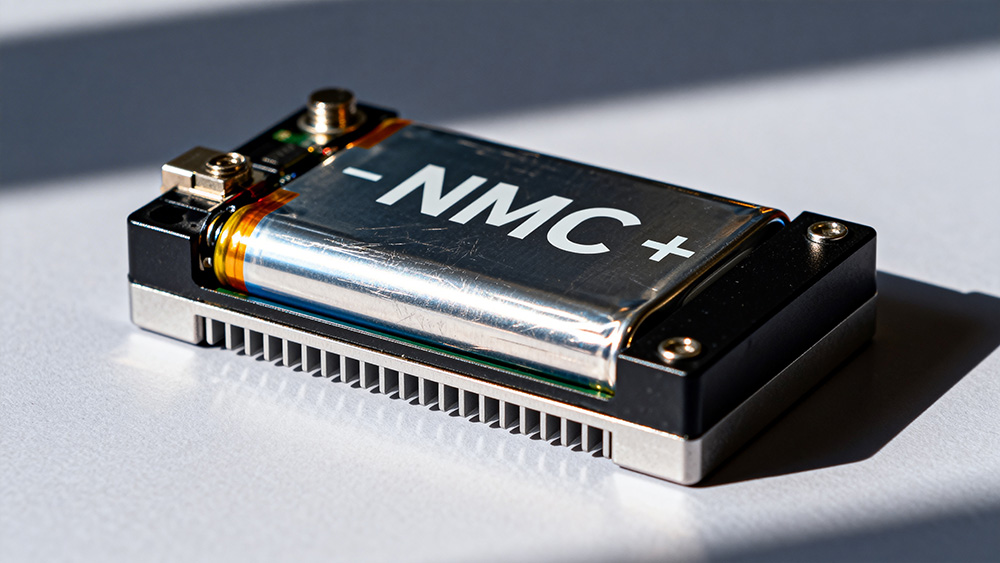
NMC Battery Characteristics
NMC batteries use nickel, manganese, and cobalt in the cathode structure. By adjusting material ratios, manufacturers can balance energy density and power capability.
Technical Features
- Nominal voltage: ~3.6–3.7V per cell
- Higher gravimetric energy density compared to LFP
- Suitable for space-constrained devices
- Requires precise BMS control
Typical Applications (Industrial & Medical Context)
- Portable medical devices
- Handheld testing instruments
- Compact industrial equipment
- Certain power tool platforms
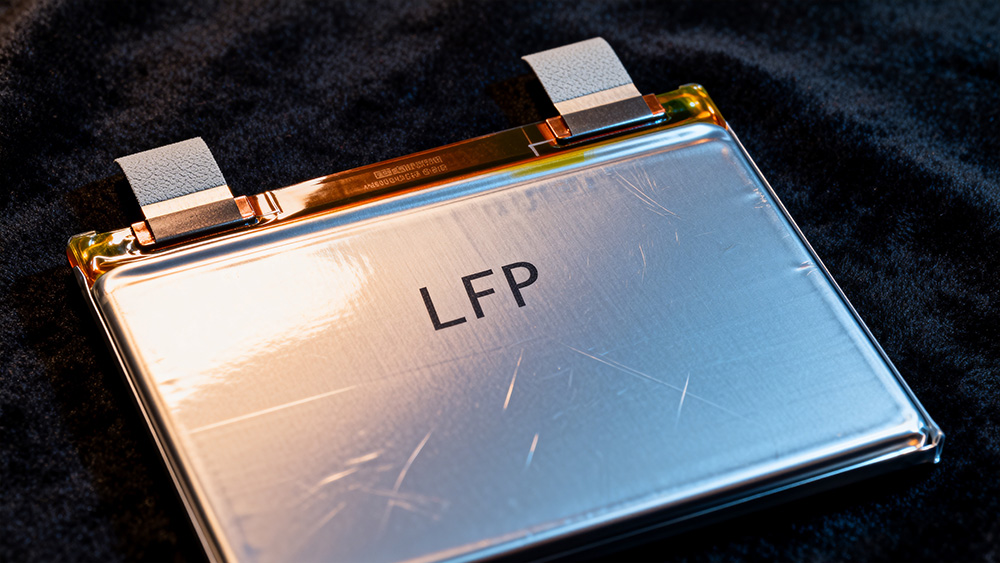
LFP Battery Characteristics
LFP batteries use lithium iron phosphate as the cathode material. Its olivine crystal structure contributes to strong chemical stability.
Technical Features
- Nominal voltage: ~3.2V per cell
- Lower energy density than NMC
- Higher thermal stability
- Long cycle life under moderate discharge rates
- No cobalt content
Typical Applications
- AGV systems
- Industrial automation equipment
- Devices requiring high safety margin
- Certain stationary backup applications
NMC vs LFP: Industrial-Oriented Comparison
| Parameter | NMC | LFP |
| Nominal Voltage | ~3.6–3.7V | ~3.2V |
| Energy Density | Higher | Lower |
| Thermal Stability | Moderate | Higher |
| Cycle Life | Application-dependent | Often longer |
| Safety Margin | Good with BMS | Higher intrinsic stability |
| Typical Focus | Compact & high energy | Stability & durability |
Actual performance depends on cell design, pack integration, thermal management, and usage conditions.
How to Select Battery Chemistry for Medical and Industrial Devices
Consider NMC when:
- Device size is limited
- Energy density is critical
- Portable design is required
Consider LFP when:
- High safety margin is required
- Long service life is prioritized
- Equipment operates in industrial environments
- Stability outweighs compactness
For regulated industries such as medical devices, compliance, safety testing, and long-term reliability are often more critical than maximum energy density.
LARGE supports battery customization based on discharge curve requirements, peak current demand, operating temperature range, and certification considerations.
FAQ
Is NMC always better than LFP?
No. The choice depends on device design constraints and safety requirements
Is LFP safer?
LFP chemistry is generally considered to have higher thermal stability compared to common NMC formulations.
Which battery is better for medical devices?
There is no universal answer. Selection depends on power demand, space limitation, regulatory requirements, and lifecycle expectations.