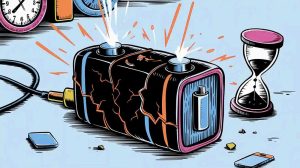
Ignoring the risks of lithium battery over-discharge can lead to permanent capacity loss, internal structural damage, and even fire or explosion.Over discharge damages the Solid Electrolyte Interphase (SEI), corrodes the copper current collector, generates dangerous gas, and promotes dendrite growth. These hidden failures can cause internal short circuits, sudden battery death, or thermal runaway.
Understanding over-discharge helps you protect batteries, devices, and personal safety.
Key Takeaways
- Over-discharge causes irreversible damage to lithium batteries, reducing capacity and safety.
- Avoid letting batteries drop below 20% state of charge (SOC) to prevent over-discharge.
- Watch for warning signs: swelling, overheating, odd odors, or rapid power loss.
- Use a Battery Management System (BMS) to monitor voltage and prevent deep discharge.
- Always follow manufacturer guidelines for charging, usage, and storage.
Understanding Over-Discharge of Lithium Batteries
What Is Over-Discharge?
Over-discharge occurs when a lithium battery is drained beyond its safe operating voltage range.This process typically happens in two stages:
- Rapid self-heating
- Severe voltage drop toward zero
Once over-discharged:
- The battery loses active lithium
- Internal structures are permanently damaged
- Rechargeability becomes limited or impossible
- New, unstable SEI layers may form, blocking ion flow
- Open-circuit voltage decreases
- Self-discharge rates increase
| Evidence Description | Impact on Rechargeability |
| Over-discharge causes internal shorts and SEI degradation | Makes full recharging difficult |
| Cells discharged below SOC < -14.5% cannot fully recharge | Clear link between over-discharge and lost rechargeability |
| New SEI layers form during recharging, disrupting charge transfer | Lower voltage and faster self-discharge |
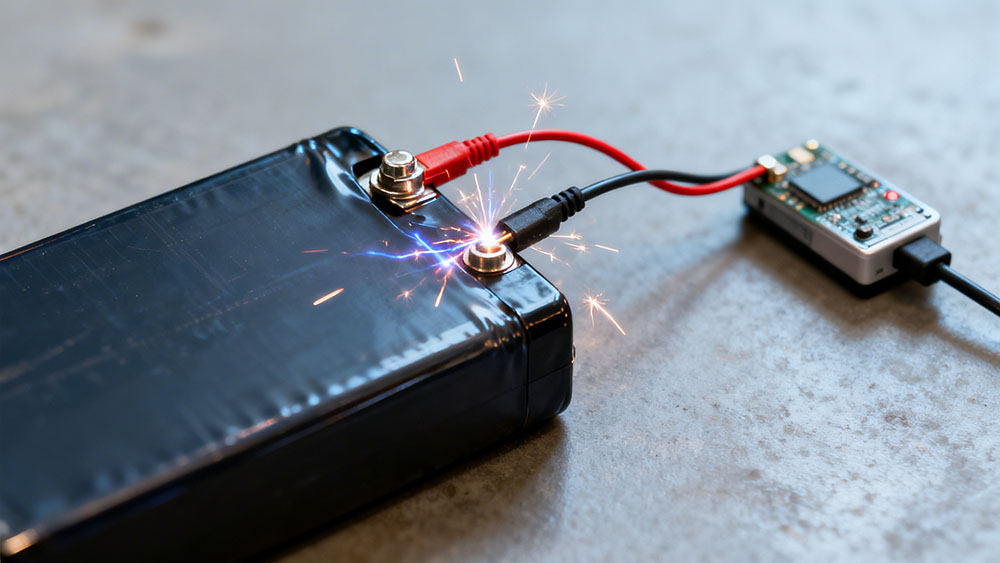
How Does Over-Discharge Happen?
Over-discharge often results from poor usage or storage habits:
- Fully draining the battery until the device shuts off
- Storing batteries for long periods without recharging
- Using devices in extreme temperatures
- Forgetting to charge before voltage drops too low
- Leaving batteries unused for months
These conditions push voltage below safe limits and trigger irreversible internal changes.
Immediate Dangers of Over-Discharged Lithium Batteries
Irreversible Capacity Loss
Over-discharge causes permanent energy loss.Studies show capacity loss can range from 12.56% to 24.88%—and this damage cannot be reversed.
The battery:
- Loses active lithium
- Cannot store or deliver energy efficiently
- Runs out of power much faster
- Becomes unreliable and unsafe
Electrode and Internal Material Damage
Over-discharge destroys key battery components:
- The carbon anode releases excessive lithium ions, breaking its structure
- Both cathode and anode suffer permanent damage
- SEI layer breaks down, generating dangerous gas
- Copper current collector oxidizes and dissolves
- Copper dendrites may form and pierce the separator
- Internal resistance increases sharply
These changes are invisible but deadly for battery safety.
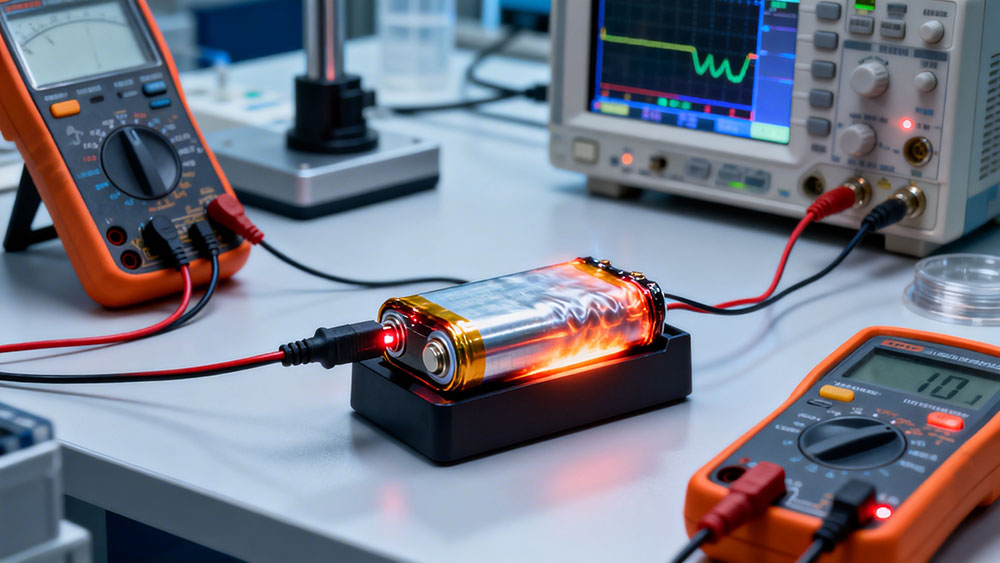
Internal Short Circuits and Fire Risk
Over-discharge directly increases fire and explosion hazards:
| Mechanism | Description |
| Copper Oxidation | Copper collector dissolves into Cu²⁺, causing shorts |
| SEI Decomposition | Triggers uncontrolled chemical reactions |
| Gas Generation | Builds pressure, causing swelling or rupture |
Dendrites—sharp lithium deposits—can pierce the separator and touch the cathode, creating short circuits. This leads to overheating, thermal runaway, fire, or explosion.
⚠️ Warning: Never attempt to recharge a severely over-discharged battery. Fire risk is extremely high.
Long-Term Effects of Over-Discharge
Reduced Battery Lifespan
Repeated over-discharge accelerates aging.Each deep discharge adds microscopic damage that accumulates over time.
Long-term consequences:
- Higher internal impedance
- Severe capacity fade
- Morphological and structural changes
- Weakened mechanical properties
- Loss of active lithium
- Deteriorated separator performance
- Copper dendrite formation
- Reduced adhesion of active materials
Performance Degradation
Damaged batteries show clear performance issues:
- Faster power loss
- Slow or incomplete charging
- Sudden shutdowns even with remaining charge
- Higher internal resistance
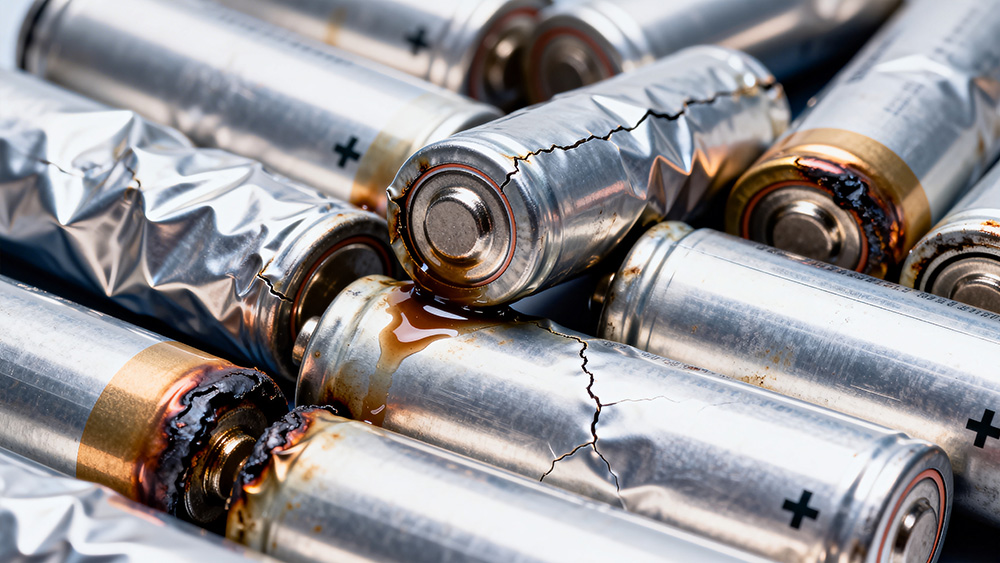
- Swelling, leakage, or overheating
Increased Risk of Thermal Runaway
Over-discharge is one of the leading causes of thermal runaway.Discharging below 2.5V per cell dissolves copper, which later plates inside the battery and causes shorts.
This can lead to:
- Uncontrolled temperature rise
- Gas buildup and rupture
- Fire or explosion
The danger may not appear immediately—damage can trigger failure days or weeks later.
Signs and Prevention of Over-Discharge
Symptoms of Over-Discharge
Watch for these warning signs:
| Warning Sign | Description |
| Physical changes | Swelling, bending, cracks, or leakage |
| Abnormal heat | Overheats during use or charging |
| Charging issues | Too fast, too slow, or unable to charge |
| Rapid discharge | Loses power unusually quickly |
| Strange odors | Chemical or burning smells |
| Poor performance | Short runtime after charging |
| Unusual noises | Popping, hissing, or cracking |
If you notice any of these, stop using the battery immediately.
Best Practices for Prevention
You can avoid over-discharge with simple, effective habits:
- Use a BMS (Battery Management System) to monitor voltage
- Charge devices when battery reaches 20%
- Use only manufacturer-approved chargers
- Avoid extreme temperatures during use and storage
- Keep SOC between 20%–80% for long battery life
- Do not discharge below 2.5–3.0V per cell
- Regularly inspect for swelling, leaks, or damage
| Recommendation | Action |
| Monitor Voltage | Keep above 2.5V per cell |
| Use Cutoff Systems | Ensure safe low-voltage cutoff |
| Control Temperature | Avoid overheating during use/charge |
| Allow Recovery | Let batteries rest after charging |
FAQ
What happens if you keep using an over-discharged lithium battery?
Continued use causes permanent damage, capacity loss, swelling, and a high risk of fire or explosion. Stop use immediately.
Can you repair an over-discharged lithium battery?
No. Damage is irreversible. Some low-voltage chargers may temporarily restore power, but the battery will never be safe or perform like new. Replacement is the only safe option.
How can you tell if a battery is over-discharged?
Common signs include:
- Overheating or swelling
- Failure to charge
- Rapid power loss
- Unusual odors or leakage