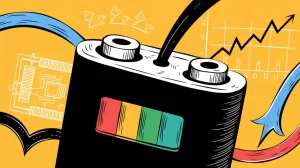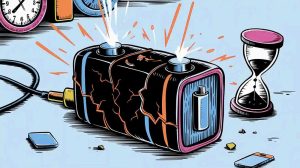
Lithium batteries are widely used in industrial instruments, AGV systems, medical devices, and everyday electronics like smartphones, laptops, and tablets. While lithium-ion technology offers high energy density, long service life, and low self-discharge, improper usage or storage can significantly shorten battery lifespan. Many users unknowingly accelerate degradation by fully charging or fully discharging batteries, exposing them to extreme temperatures, or neglecting regular maintenance.
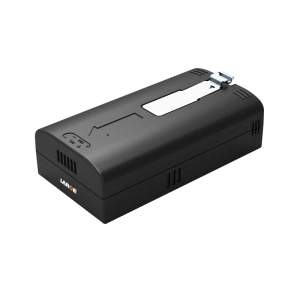
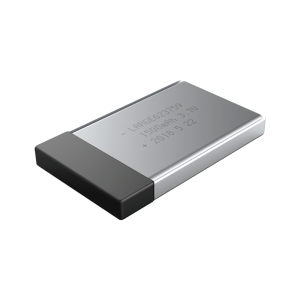
Following proper lithium battery maintenance practices helps preserve capacity, improve safety, and ensure consistent performance over time. LARGE provides guidance for maintaining custom lithium battery packs in industrial, medical, and professional applications, ensuring long-term battery health.
Key Takeaways
- Avoid full charge (100%) or full discharge (0%) cycles whenever possible.
- Store batteries at partial charge (40–60%) for long-term periods.
- Maintain stable operating and storage temperature, ideally 15–25°C (59–77°F).
- Avoid excessive high-current charging or discharging unless the battery is rated for it.
- Utilize BMS or PCM features for monitoring, cell balancing, and protection.
- Inspect batteries regularly for swelling, heat, or any signs of damage.
- Understand common misconceptions to prevent mistakes that reduce battery lifespan.
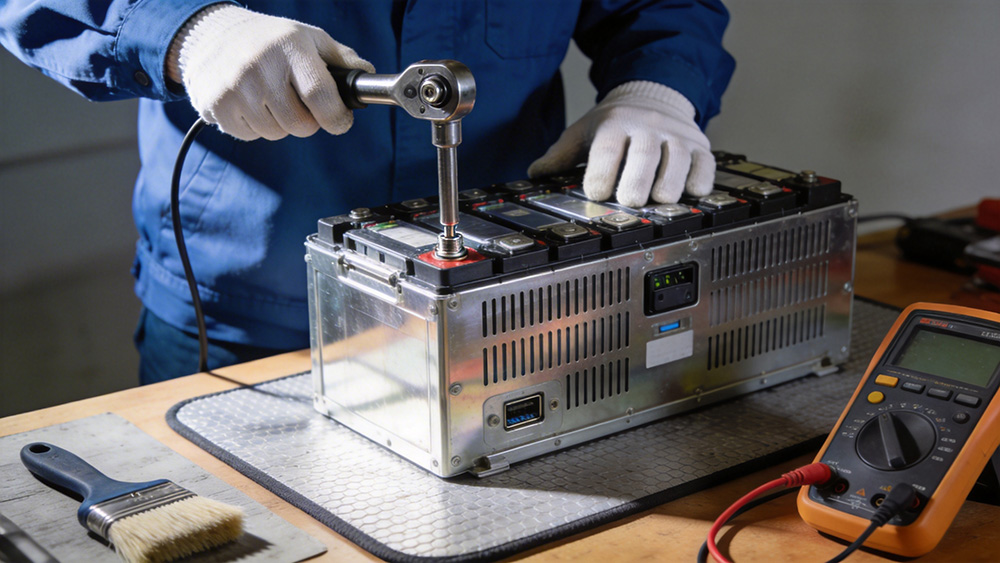
Avoid Full Charge and Full Discharge Cycles
One of the most common mistakes is using lithium batteries in full 0–100% cycles. Chemical stress is highest at extreme states of charge:
- Full charge (100%) increases electrode potential, accelerates electrolyte degradation, and leads to faster capacity fade over time.
- Full discharge (0%) risks over-discharge, potentially triggering protection circuits or causing irreversible capacity loss.
Best practice: Recharge batteries before they drop below 20–30% SoC and avoid charging to 100% for daily use unless necessary. Many smartphones, AGV packs, and industrial instruments benefit from keeping cycles within 20–80% SoC, which can extend battery lifespan by 20–30% compared with frequent full cycles.
Case Example: A warehouse AGV fleet using lithium packs at 0–100% daily showed faster capacity decline compared with units kept between 20–80% SoC. Implementing partial charging schedules significantly improved battery longevity.
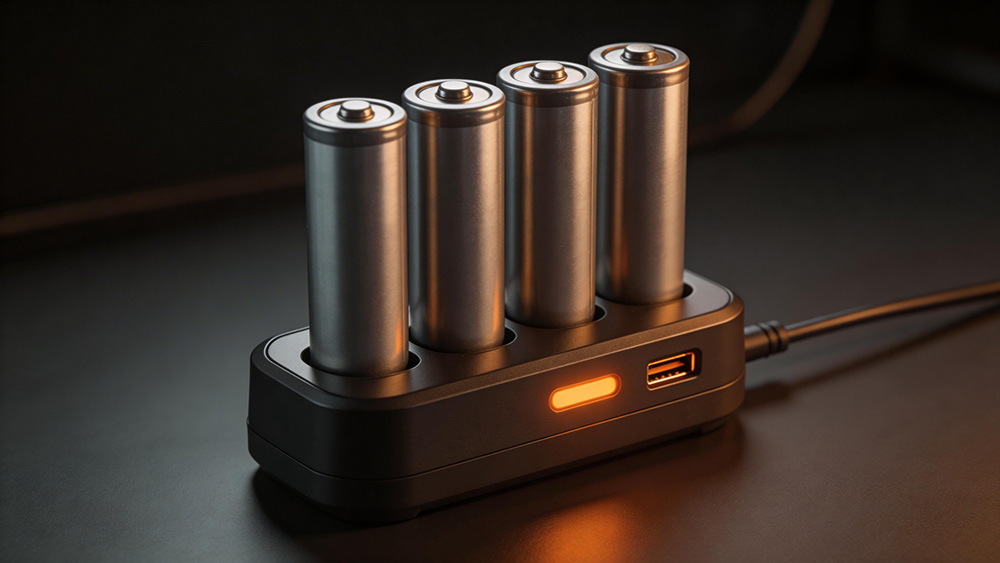
Store Lithium Batteries at Partial Charge
Long-term storage is a common scenario for backup medical devices, industrial equipment, or seasonal electronics. Lithium batteries should be stored at 40–60% SoC for periods exceeding a few weeks.
- Fully charged or fully discharged batteries experience higher chemical stress.
- Batteries self-discharge slowly, so periodic voltage checks every 1–2 months are recommended.
- Recharge as needed to maintain 40–60% SoC during storage.
Partial-charge storage reduces chemical degradation, prevents over-discharge, and preserves long-term battery health, making it ideal for industrial packs, medical devices, and AGV systems.

Control Temperature During Operation and Storage
Temperature is one of the most critical factors affecting battery aging and performance.
- Optimal operating & storage temperature: 15–25°C (59–77°F)
- High temperatures (>40°C / 104°F): Accelerates chemical reactions, increases internal resistance, and promotes capacity fade.
- Low temperatures (<0°C / 32°F): Reduce performance temporarily and can damage the electrolyte if sustained.
- Engineering Insight: For every 10°C above 25°C, chemical aging approximately doubles. Heat generated during charging, discharging, or environmental exposure contributes significantly to degradation.
Practical Tips:
- Avoid leaving devices in hot cars, direct sunlight, or near heaters.
- Industrial battery packs often include thermal management systems to maintain optimal temperature and protect battery lifespan.

Avoid Excessive High-Current Charging and Discharging
High charge and discharge currents generate heat and accelerate chemical wear:
- Fast charging produces more heat than standard charging, reducing cycle life.
- High discharge currents (e.g., peak loads in AGVs or industrial motors) should remain within manufacturer specifications.
Tip: Use recommended charging rates whenever possible and avoid unnecessary peak load operation. For example, scheduling AGV battery usage to avoid frequent high-current bursts can help maintain capacity over hundreds of cycles.

Utilize BMS or PCM Features
Battery Management Systems (BMS) or Protection Circuit Modules (PCM) are critical for lithium battery health:
- Monitor voltage, current, and temperature in real-time
- Balance individual cells to prevent weak-cell degradation
- Provide overcharge, overdischarge, and short-circuit protection
Recommendation: Ensure BMS or PCM settings match your battery application. For packs without BMS, manual monitoring becomes essential. Using these systems can extend battery life, reduce maintenance costs, and improve safety.
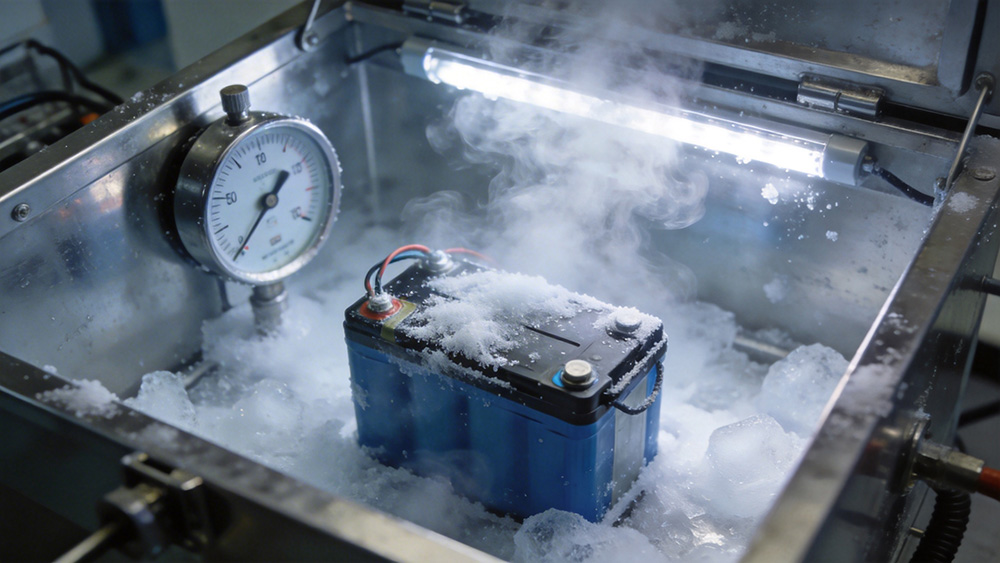
Avoid Long-Term Storage in Extreme Conditions
Environmental factors affect battery health:
- Avoid high humidity, direct sunlight, and corrosive environments
- Maintain partial charge and controlled temperature for long-term storage
- For storage exceeding 12 months, consider cycling batteries once to maintain chemical balance
These practices prevent swelling, leakage, and permanent capacity loss, ensuring your batteries remain safe and functional.
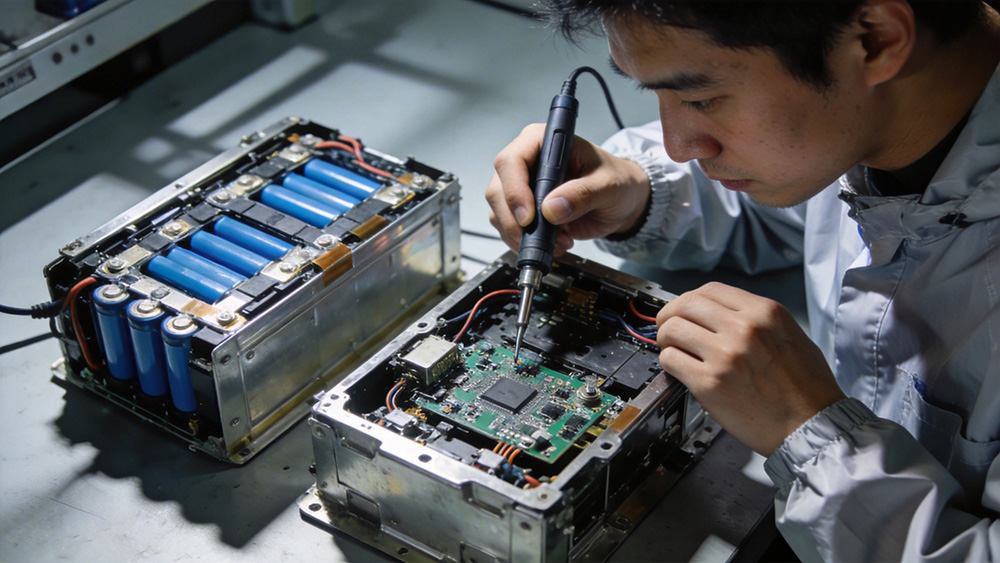
Regular Battery Inspection
Even with proper usage, inspection is essential:
- Look for swelling, leakage, or abnormal heat generation
- Monitor voltage levels and self-discharge
- Replace damaged or degraded cells promptly
Regular inspections prevent unexpected failures, ensuring both battery safety and lifespan.

Common Misconceptions About Battery Life
Many users unknowingly reduce lithium battery lifespan due to misconceptions:
- “Fully discharge before charging” → Not required for lithium batteries; partial cycles are healthier.
- “Leaving plugged in overnight is okay” → Occasional full charge is fine, but repeated full cycles accelerate degradation.
- “Temperature doesn’t matter” → Heat significantly accelerates chemical aging; cold reduces performance temporarily.
Understanding these misconceptions and adopting proper practices helps users maximize battery life across applications.

Practical Tips for Daily Users
- Use chargers recommended by the manufacturer
- Avoid leaving devices in direct sun or hot environments
- For devices with BMS/PCM, enable cell balancing and voltage alerts
- For devices in storage, maintain 40–60% charge and periodically check voltage
- Keep batteries isolated from metal objects to prevent short circuits
FAQ
Q1: Can I leave my battery fully charged overnight?
A1: Occasional full charge is acceptable, but repeated full-charge cycles accelerate capacity fade. Partial charging is recommended.
Q2: Is fully discharging before charging necessary?
A2: No. Fully discharging increases chemical stress and can permanently reduce capacity. Recharge before 20–30% SoC.
Q3: How does temperature affect battery lifespan?
A3: High temperatures accelerate aging; low temperatures reduce performance temporarily and may harm the electrolyte.
Q4: Does slow charging extend battery life?
A4: Yes. Slower charging reduces heat and chemical stress, prolonging lithium battery lifespan.
Q5: How often should I inspect stored batteries?
A5: Check every 1–2 months for voltage, swelling, or leakage. Batteries stored over 12 months may require cycling to maintain chemical balance.
Conclusion
Extending lithium battery lifespan relies on proper usage, controlled storage, temperature management, and leveraging protective systems like BMS or PCM. Avoiding extreme charge/discharge cycles, maintaining partial charge, controlling temperature, and performing regular inspections can significantly improve long-term battery health.
For industrial, medical, AGV, and professional instrument applications, following these practices ensures batteries remain safe, reliable, and ready for use.
LARGE provides guidance and custom solutions for lithium battery packs, helping manufacturers and end users maximize battery lifespan, safety, and long-term performance.