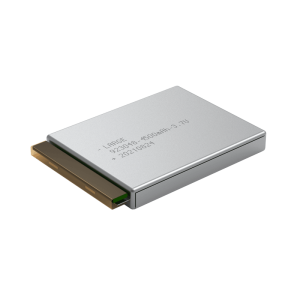
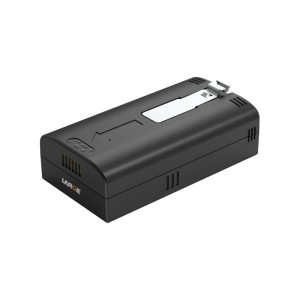
Technical type of lithium ion battery anode material:
The negative electrode materials are mainly classified into the following three types: carbon materials (graphites), metal oxide materials and alloy materials. A good anode material should meet the following requirements: high specific energy, low electrode potential relative to lithium electrode; good charge and discharge reaction reversibility; good compatibility with electrolyte and binder; small specific surface area (<10m2/g); High tap density (>2.0g/cm3); good size and mechanical stability during lithium insertion; abundant resources, low price; stable in the air, no toxic side effects.
The negative electrode materials currently mainly used are natural graphite and artificial graphite, of which natural graphite is mainly used in the 3C field, and artificial graphite is mainly used in the power field. The upper limit of the energy density of the conventional graphite material is 372mAh/g, which is quite marginal than the energy density of the current cathode material. Due to the future energy density and the high-rate discharge of power batteries, high-end anode materials such as mesocarbon microbeads (MCMB), lithium titanate and silicon-based load materials have gradually entered the application of battery cathode materials with more comprehensive and higher performance requirements, despite their high prices or immature technologies.
The page contains the contents of the machine translation.