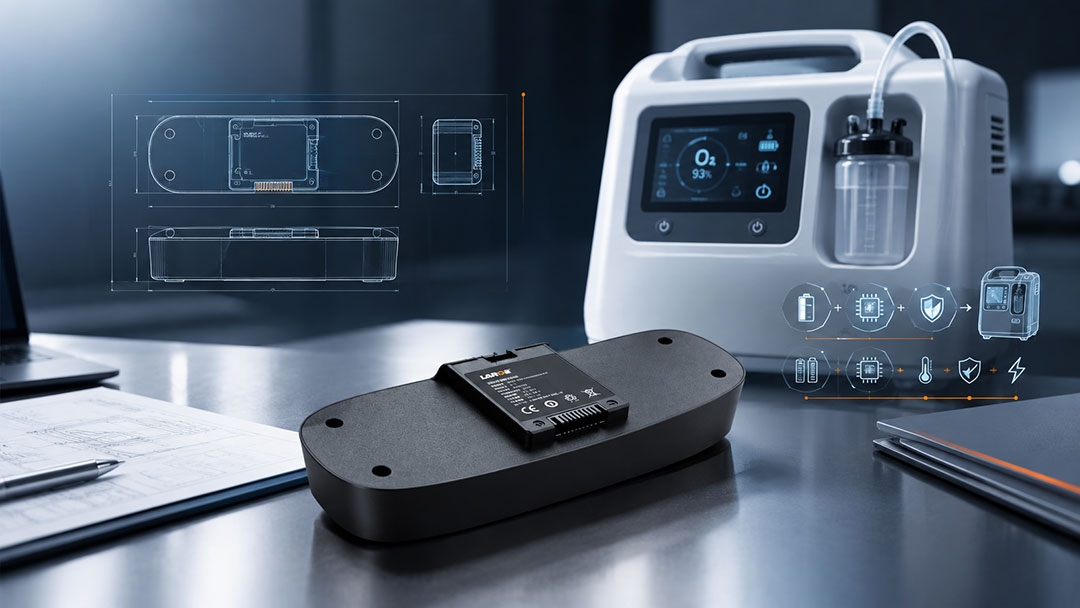
Medical battery design requires careful chemistry selection, protection circuits, and compliance with IEC 62133 and IEC 60601-1 to ensure safety and reliability.

Batteries are used to provide various functions. Such as they provide the main power supply in highly technological instruments, back up for robust process control devices, and production systems.
In this era of technology and advancement, nothing is left aside from getting fast and quick. Our lives revolve around devices that require electricity to run, or they operate over a cell to save power.
Lithium-ion batteries consist of lithium metallic ions. The lithium metal is very reactive and can produce many harmful effects if the temperature of the battery increases.
If you’re going to ship or fly with lithium cells, batteries or battery packs by rail, you’ll need to know their Watt-hour value. It applies to lithium-ion (disposable) and lithium-ion (rechargeable) batteries.
As the usage of lithium batteries are increasing day by day. That is why it’s manufacturing process and its popularity should be known to every person.
Lithium-ion batteries are used for almost all electronic devices and electronic vehicles. Despite being more expensive than conventional alkaline batteries, Lithium-ion batteries have a much longer lifespan.