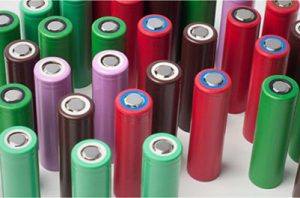
power lithium battery

Custom 60V Lithium Battery Manufacturer

60V lithium battery systems can be fully customized based on equipment requirements such as capacity, power output, size, runtime, and communication functions. Both lithium iron phosphate (LiFePO4) and ternary lithium chemistries are available, enabling a balanced solution across safety, performance, and lifecycle.
Compared with traditional lead-acid batteries, 60V lithium batteries offer higher energy density, lighter weight, and longer cycle life—helping improve overall equipment efficiency while reducing long-term maintenance costs. Optional features such as intelligent BMS protection, communication protocols, waterproofing, vibration resistance, and low-temperature functionality ensure reliable operation under complex working conditions.

Key Features of 60V Lithium Batteries

  • High-voltage platform for high-power output
  • Supports continuous high-rate discharge
  • Stable output under dynamic and heavy-load conditions
  • Customizable functions: communication, low-temperature, waterproofing, etc.
  • Flexible structural design to fit installation space
  • Integrated intelligent BMS for full battery management

Technical Specifications

Nominal Voltage 60V
Capacity Range 10Ah – 200Ah
Charge Voltage 69.35V / 67.2V
Discharge Cut-off 47.5V – 48V (configurable)
Series Configuration19S LiFePO4 / 16S Li-ion
Discharge Rate0.2C – 3C
Cycle Life800 – 2000 cycles
Operating Temperature-20°C ~ 60°C (standard)

Note: Specifications can be customized based on application requirements.

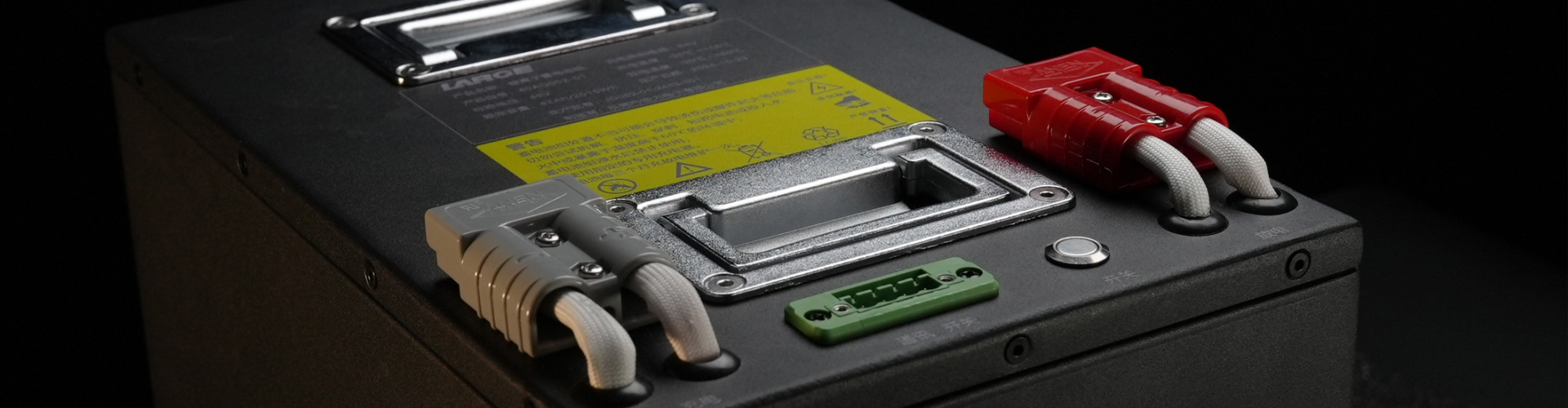
60V Lithium ion Battery Pack

Selected case references, customizable for different application scenarios.

60V Lithium ion Battery Application Areas

AGV & Mobile Robotics

AGV, AMR, inspection robots, unmanned transport systems
Stable long-duration power | Communication support | Continuous operation

Outdoor Power Equipment

Garden machinery, electric tools, outdoor work systems
Rugged design | High-load capability | Environmental adaptability

Electric Industrial Equipment

Forklifts, tow tractors, stackers, industrial transport vehicles
High power output | High-frequency operation | Industrial reliability

Cleaning Equipment

Floor scrubbers, sweepers, high-pressure cleaners
High discharge rate | Long runtime | Low maintenance

Energy Storage & Backup Systems

Portable energy storage, emergency backup, off-grid systems
Stable output | Long-duration supply | Expandable capacity

Specialized Equipment & Custom Systems

Firefighting robots, inspection systems, unmanned platforms
Custom size | Smart BMS integration | Waterproof & shock-resistant

Looking for the Right Battery Solution?

We provide professional customization based on your application needs.

Upgrading from Lead-Acid to Lithium Battery: Key Considerations

When upgrading from lead-acid batteries to lithium batteries, the key is not a simple replacement, but ensuring compatibility and stability between the power supply system, electrical parameters, and load requirements.

1. Voltage Compatibility

Ensure the lithium battery matches the original 60V system voltage range to avoid controller issues or unexpected shutdowns.

2. Charging System

Lithium batteries require dedicated chargers with proper charging profiles—lead-acid chargers are not suitable.

3. Discharge Capability

Evaluate startup current and continuous load to ensure the battery meets power demands without voltage drop.

4. Structural Compatibility

Battery size and mounting structure should match the original compartment for seamless replacement.

5. BMS Protection

A reliable Battery Management System is essential for voltage, current, and temperature control to ensure long-term safety.

The core of upgrading from lead-acid to lithium batteries is ensuring electrical compatibility, matching charging and discharging performance, fitting structural space, and maintaining safety and stability through a BMS.

60V Lithium ion Battery FAQs

Can 60V lithium batteries be customized?

Yes. 60V lithium battery packs can be customized in terms of capacity, size, discharge rate, BMS functions, communication protocols (CAN/RS485), and housing structure according to application requirements.

In most cases, yes. However, it is necessary to confirm system compatibility, including charger matching, discharge current requirements, and physical dimensions for proper installation.

A 60V lithium battery typically lasts 2000–3000 charge cycles, depending on usage conditions, discharge depth, and battery system design. In practical applications, this usually equals 3–8 years of service life.

The full charge voltage depends on the chemistry:
·LiFePO4: 58.4V
·Lithium-ion (NMC): 67.2V (16S configuration)

Standard 60V lithium batteries operate between -20°C to 60°C, and low-temperature heating solutions can be added for harsher environments.

Get Your Custom Lithium Battery Solution

Looking for a reliable power solution for your equipment?
We provide end-to-end customization—from design to mass production—tailored to your application needs.