Home > LiFePO4 Battery > 3.2V LiFePO4 Battery
3.2V LiFePO4 Lithium Battery Manufacturer
Custom 3.2V LiFePO4 battery packs are typically designed with a 1S multi-parallel structure, which expands capacity through parallel connection while maintaining stable low-voltage and high-capacity output. They are widely used in industrial and energy storage applications requiring high safety, long cycle life, and continuous power supply performance.
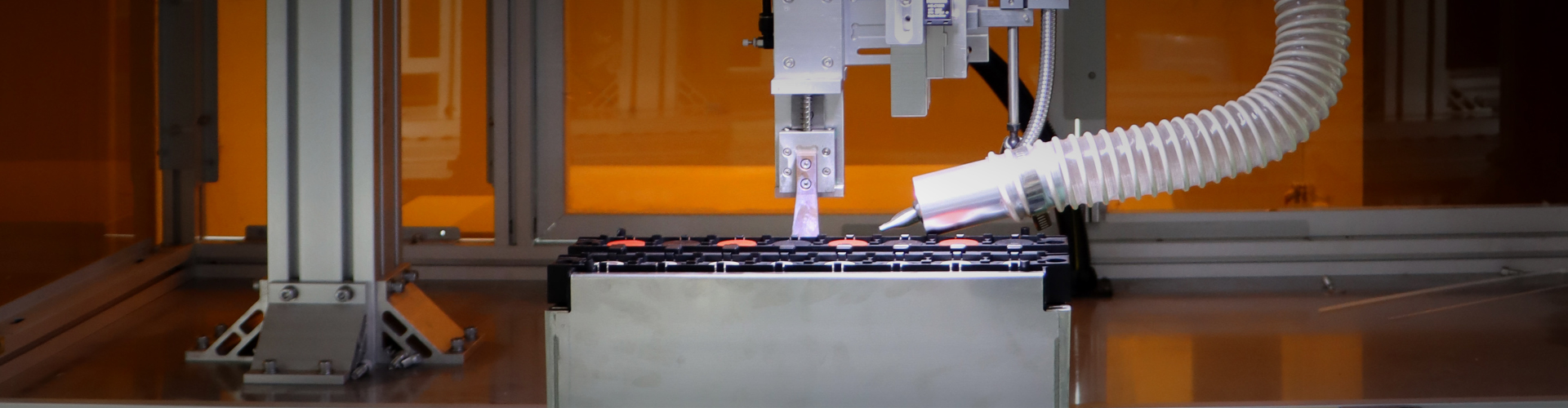
LARGE specializes in enterprise-level custom lithium battery solutions. Based on 3.2V LiFePO4 application requirements, we provide end-to-end engineering services, including: Cell grading and matching, Structural design and BMS integration and optimization
We support multi-capacity, multi-discharge rate, and multi-structure customization to meet diverse industrial application scenarios.
Our Advantages:
- Flexible 1S multi-parallel configuration
Capacity, size, and discharge rate fully customizable - Strict cell matching & consistency control
Reduces circulating current and thermal risk in parallel systems - 109-point testing validation system
Supports UN38.3, CE and other international certifications
Technical Specifications
| Nominal Voltage | 3.2V |
| Capacity Range | 1Ah – 100Ah |
| Charge Voltage | 3.65V |
| Discharge Cut-off | 2.5V – 2.8V |
| Series Configuration | 1S (LiFePO4) |
| Discharge Rate | 0.5C – 3C |
| Cycle Life | ≥2000 cycles (@80% DOD) |
| Operating Temperature | -20°C ~ 60°C (standard) -40°C ~ 55°C (low-temp optional) |
Note: Stable energy platform for cell-level applications / suitable for battery pack integration
Customizable for structure, capacity and BMS requirements.
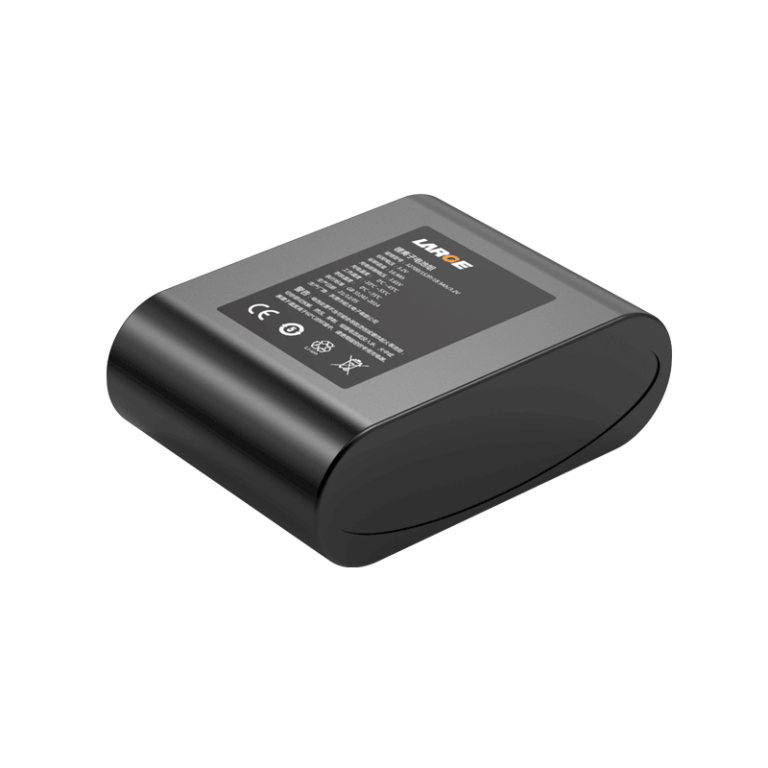
3.2V LiFePO4 Lithium Battery Pack
The following are reference cases. Solutions can be flexibly customized according to specific application scenarios.
Application Fields of 3.2V LiFePO4 Lithium Batteries
Medical & Rehabilitation Devices
Portable monitoring modules, drug delivery systems, electric nursing accessories
Safe and reliable, compliant with ISO 13485 quality system requirements
IoT & Wireless Sensor Nodes
NB-IoT nodes, LoRa gateways, environmental sensors, data loggers
Ultra-low self-discharge, long standby life for unattended deployment
Portable & Handheld Devices
Portable testers, barcode scanners, laser rangefinders
Lightweight design, customizable housing and structure integration
Smart Metering Devices
Water meters, gas meters, heat meters, flow meters
Stable pulse discharge, excellent temperature resistance for outdoor environments
Industrial Backup & Emergency Systems
PLC backup power, RTC clock backup, alarm systems
Long-life small capacity solutions ensuring data retention and reliability
Small Power Tools & Actuators
Micro pumps, solenoid valves, electric locks, irrigation controllers
Supports high-rate pulse discharge with fast transient response
Looking for a Battery Solution for Your Device?
Application Case Study of 3.2V LiFePO4 battery
3.2V 40Ah Outdoor Wireless Sensor Base Station Battery
Project Background
A smart city solution provider required a backup battery for outdoor wireless sensor base stations installed in remote areas. The system is maintenance-free and requires long service life, wide temperature resistance, and ultra-low self-discharge performance.
Requirements
- Nominal voltage: 3.2V
- Capacity: ≥40Ah
- Continuous load: 0.2A, pulse 0.5A
- Operating temperature: -30°C to 60°C
- Service life: ≥5 years, maintenance-free
Solution
- High-capacity prismatic LiFePO4 cells
- Customized welded terminals
- Ultra-low power BMS design (standby current <50μA)
- Compact enclosure optimized for bottom-mount installation
Results
- Stable operation for 5 years with no replacement
- Reliable performance at -30°C without power failure
- Self-discharge rate <3% per year, significantly reducing maintenance visits
How to Select a 3.2V LiFePO4 Battery
Capacity Selection
Estimate based on device power consumption and standby time, with at least 20% capacity margin. High pulse or continuous load applications should also consider discharge rate capability.
Size & Terminals
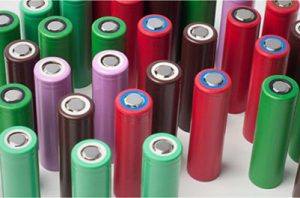
Available formats include cylindrical (26650, 32650), prismatic, and pouch cells. Output options include tabs, wires, or connectors depending on integration needs.
Battery Protection (BMS)
Standalone 1S multi-parallel packs: BMS recommended for overcharge/over-discharge protection
Multi-series systems: centralized BMS may manage overall protection
Temperature Adaptation
Standard cells operate from -20°C to 60°C. For cold environments, low-temperature formulations are recommended to maintain stable capacity and voltage performance.
Certification Requirements
We support UN38.3, CB, UL and other certifications. Early confirmation helps shorten certification lead time.
Related Lithium Battery Voltages
3.2V LiFePO4 Lithium Battery FAQs
Can 3.2V LiFePO4 batteries be customized?
Yes. Capacity, discharge rate, structure, and interfaces can all be customized to match your system requirements.
Cylindrical vs pouch cells – how to choose?
Cylindrical cells: high consistency, strong mechanical stability, ideal for industrial/vibration environments
Pouch cells: flexible sizing, higher space utilization, suitable for compact devices
Is a BMS necessary? How about long-term float charging?
A BMS is recommended for standalone use. For float charging, voltage should be controlled at 3.4V–3.45V with upper-limit protection to avoid overcharge damage.
What is required for parallel connection?
Cells must be strictly matched in capacity, internal resistance, and voltage to avoid circulating current and heat generation. We ensure consistency through full inspection and grading.
Can performance be improved in extreme cold environments?
Standard cells suffer capacity loss below -20°C. Low-temperature cells can retain over 85% capacity at -40°C.
Do you support long-term industrial supply?
Yes. We support OEM/ODM long-term projects with stable mass production and continuous supply capability.