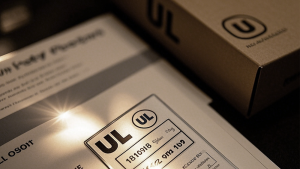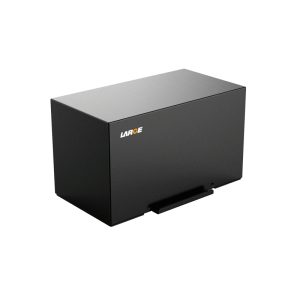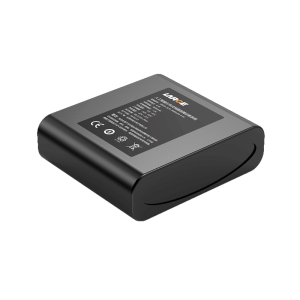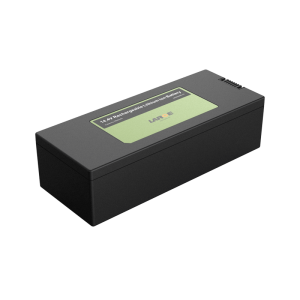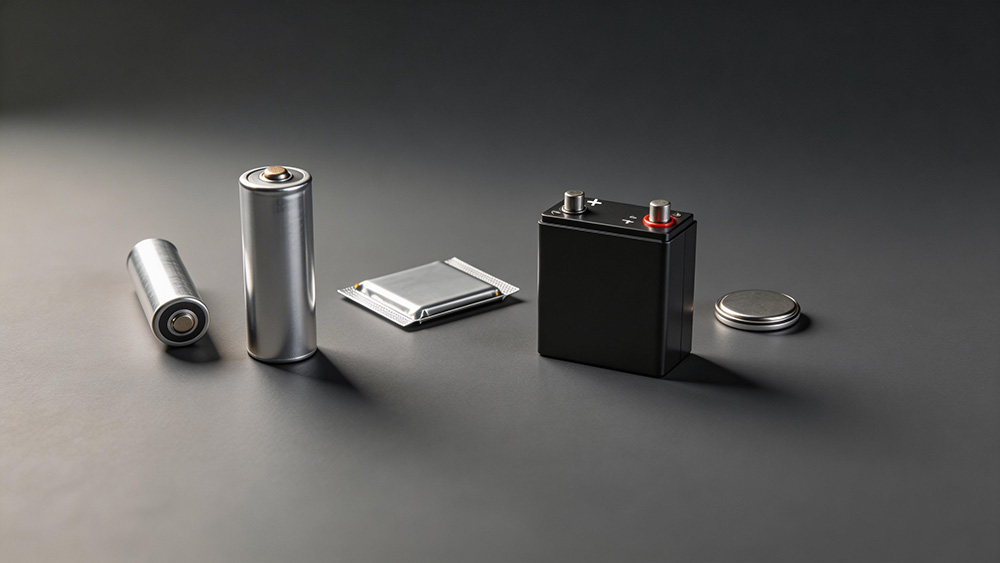
UL2054 and UL1642 are the two most critical safety standards for lithium batteries.UL2054 applies to battery packs for household, commercial, and industrial use.UL1642 applies to single lithium cells.
Using the correct certification ensures regulatory compliance, reduces safety risks, and prevents failures in critical testing. Understanding these two standards is the foundation of safe battery design and customer protection.
Key Takeaways
- UL1642 certifies single lithium cells; UL2054 certifies complete battery packs.
- Following both standards prevents fires, leaks, explosions, and electric shocks.
- UL1642 focuses on cell-level safety; UL2054 evaluates the full pack system.
- Correct certification builds trust, expands market access, and improves reliability.
- Always match your battery type (cell vs. pack) to the required standard.
What Is UL1642?
Scope and Purpose
UL1642 is a safety standard developed by Underwriters Laboratories specifically for single lithium cells. It verifies cell safety under abnormal conditions such as short circuits, overheating, overcharge, and physical damage.
Its core purpose: protect users from hazards caused by cell failure.
✅ Important NoteUL1642 covers individual cells only — NOT complete battery packs.
Battery Types Covered by UL1642
| Type of Battery | Description |
| Non-rechargeable (primary) lithium | Single use lithium cells |
| Rechargeable (secondary) lithium | Rechargeable lithium cells |
| One electrochemical cell | Single-cell units |
Core Safety Goals of UL1642
- Prevent fires, explosions, leaks, and electric shocks.
- Verify cell resistance to stress: short circuits, overcharge, impact, crush, etc.
- Apply to both rechargeable and non-rechargeable lithium cells.
Key Safety Tests in UL1642
UL1642 subjects cells to extreme stress to simulate real-world failures.
| Safety Test | Description |
| Overcharge Test | Checks for fire or rupture under excessive charging |
| Over-Discharge Test | Evaluates behavior at deep discharge |
| External Short Circuit Test | Verifies safety during high-current shorting |
| Crush Test | Ensures integrity under strong pressure |
| Impact Test | Tests resistance to drops and shocks |
| Temperature Cycling Test | Checks stability in repeated hot/cold environments |
| Vibration Test | Simulates transport and operational vibration |
| Altitude Simulation Test | Confirms safety at low pressure (e.g., air transport) |
| Mechanical Shock Test | Evaluates response to sudden impacts |
A critical additional test is the Indentation Induced Internal Short Circuit (IIISC) test, which detects internal short risks — the main cause of thermal runaway.
What Is UL2054?
Scope and Purpose
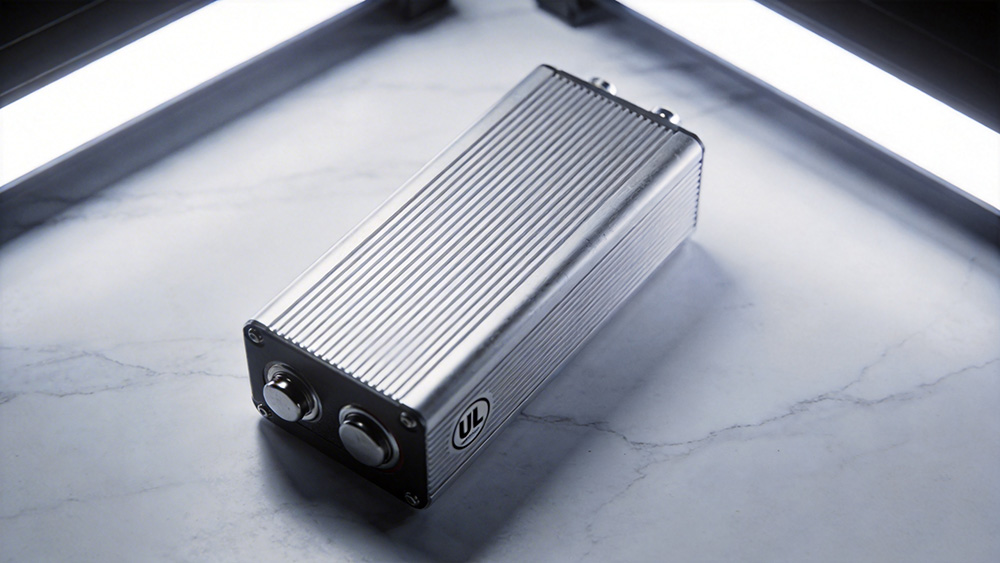
UL2054 is the safety standard for battery packs, not individual cells. It applies to rechargeable and non-rechargeable packs used in consumer, commercial, and industrial devices.
It reduces risks of fire, electric shock, and leakage by testing the entire pack system.
Common Applications of UL2054
- Lithium-ion packs for electronics
- Nickel-based packs for power tools
- Medical and security device battery packs
- Home energy storage systems
- Portable rechargeable & non-rechargeable packs
Core Safety Objectives of UL2054
| Objective | Description |
| Safety Assurance | Minimize fire, shock, and leakage risks |
| Performance Evaluation | Verify reliable function in real world conditions |
| Consumer Protection | Ensure safety and build user confidence |
Battery Pack Requirements in UL2054
UL2054 tests the full pack system, including electrical, mechanical, environmental, and protective circuit performance.
Main Test Categories
Electrical Tests: Short-circuit, overcharge, abnormal charge
Mechanical Tests: Impact, vibration, shock, mold stress
Environmental Tests: Temperature cycling, humidity, altitude
Protection Circuit Evaluation: Overcurrent, overtemperature, cell balancing
UL2054 does not replace cell-level testing — it builds on it.
UL2054 vs UL1642: Key Differences
Application and Coverage
| Certification | Application | Key Test Focus |
| UL1642 | Single lithium cells | Cell safety: short, overcharge, crush, impact, thermal abuse |
| UL2054 | Battery packs | Pack safety: short, overcharge, crush, enclosure, fire exposure |
Critical Rule
If you produce lithium battery packs:You need BOTH UL1642 (cells) + UL2054 (packs).UL2054 relies on UL1642 certified cells. You cannot certify a pack without compliant cells.
Test Requirements Compared
| Standard | Focus | Implication for Manufacturers |
| UL1642 | Individual cell safety | Cell test results can be reused for UL2054 |
| UL2054 | Full battery pack system | Streamlines testing; saves time and cost |
Using pre certified UL1642 cells avoids redundant testing for UL2054.
Manufacturer Implications & Compliance
How to Choose the Right Certification
If you make/sell single lithium cells: Use UL1642.
If you make/sell battery packs: Use UL2054 (requires UL1642 cells).
Compliance Steps
- Identify whether your product uses cells or full packs.
- Complete required safety testing.
- Prepare test reports, drawings, and risk assessments.
- Submit documentation for official review.
Market Access & Product Design
UL certification is widely recognized globally and often required for:
- Selling in North America
- Major retailers and platforms
- Medical, industrial, and consumer electronics
Common compliance challenges:
- Overlapping standards (UN 38.3, IEC 62133, etc.)
- Incomplete or insufficient testing
- Heavy documentation requirements
Proper compliance reduces legal risk, prevents recalls, and strengthens brand trust.
FAQ
What is the main difference between UL1642 and UL2054?
UL1642 certifies single lithium cells.UL2054 certifies complete battery packs.
Do I need both UL1642 and UL2054?
If your product uses a lithium battery pack, you need both.Cells require UL1642; packs require UL2054.
Why is UL1642 trusted?
It rigorously tests cells against fire, explosion, leakage, and internal shorts — the biggest safety risks for lithium batteries.
How do these standards help global sales?
UL certifications are widely accepted worldwide and meet many regional safety requirements.
What happens if I skip UL1642?
You face higher risks of fires, recalls, regulatory penalties, and lost market access.
Final Summary
UL1642 and UL2054 work together to ensure lithium battery safety.
- UL1642 = cell safety
- UL2054 = pack safety
Using the correct certification keeps users safe, supports compliance, and unlocks global markets.