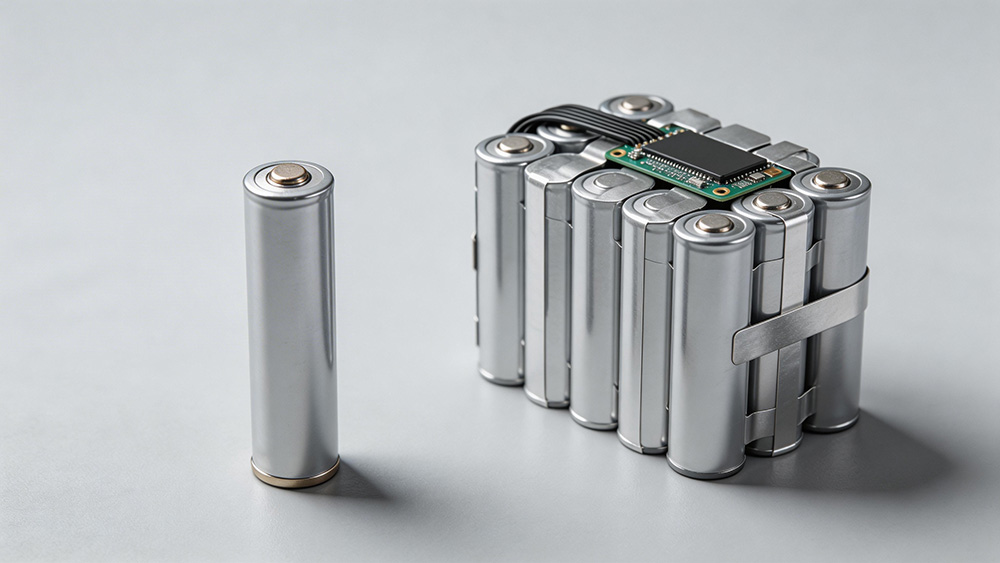
In lithium battery systems, the terms lithium cell and lithium battery pack are often used interchangeably. However, they represent different levels of the energy storage system.
Understanding the difference between a lithium cell and a lithium battery pack is essential for equipment manufacturers designing medical devices, industrial systems, AGV platforms, and professional instruments.
A lithium cell stores energy.
A lithium battery pack is a complete engineered power system built around multiple cells, combined with protection, management, and structural elements.
As a custom lithium battery pack manufacturer, LARGE designs integrated battery systems that combine cells, protection electronics, mechanical structures, and safety features into application-ready solutions.
Key Takeaways
- A lithium cell is the basic electrochemical unit that stores energy.
- A lithium battery pack consists of multiple cells plus integrated electronics and mechanical components.
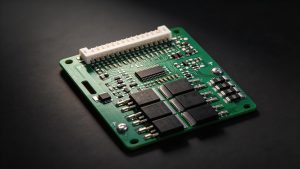
- Battery packs may include a Battery Management System (BMS) or, in simpler configurations, a Protection Circuit Module (PCM).
- Cells provide energy; packs deliver regulated, application-ready power.
- Custom lithium battery pack design involves electrical, mechanical, thermal, and safety engineering.
What Is a Lithium Cell?
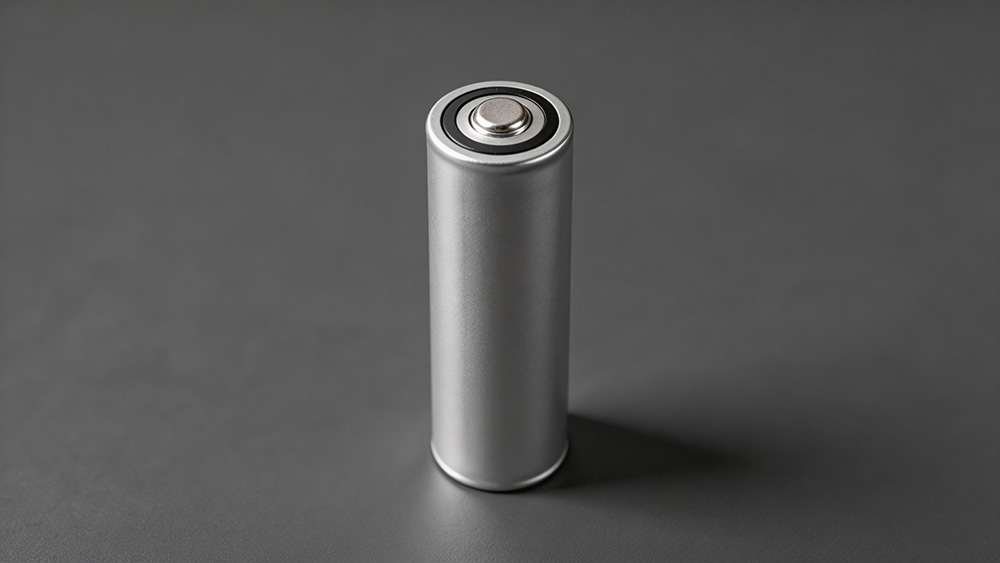
A lithium cell is the smallest functional electrochemical unit in a lithium battery system.
It contains:
- An anode
- A cathode
- A separator
- Electrolyte
Through electrochemical reactions, the cell stores and releases electrical energy.
Lithium cells are typically available in three common formats:
- Cylindrical cells
- Prismatic cells
- Pouch cells
Each cell has defined specifications, including:
- Nominal voltage
- Capacity (Ah or mAh)
- Maximum charge and discharge current
- Operating temperature range
A single lithium cell usually cannot directly power most industrial or medical equipment due to voltage and current requirements.
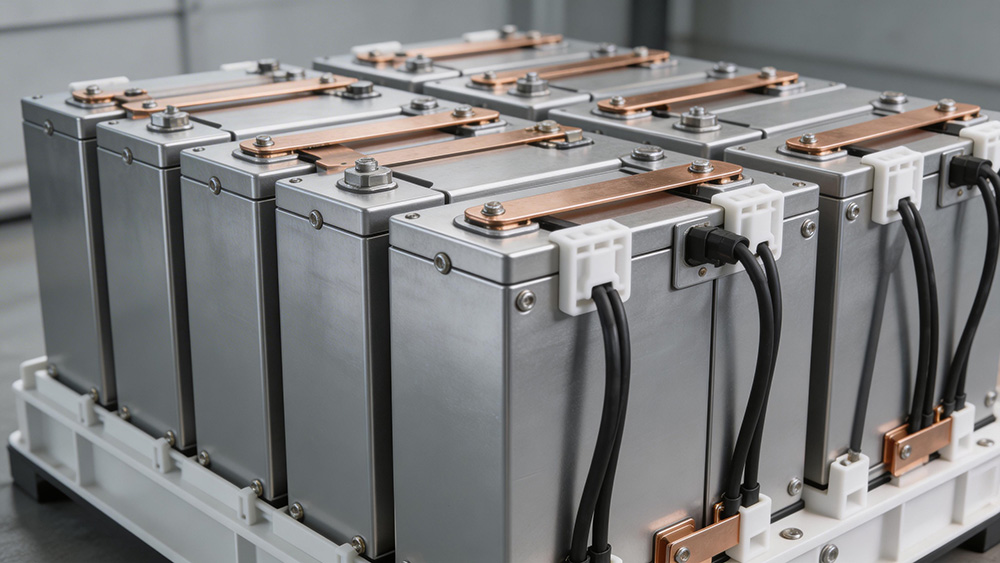
What Is a Lithium Battery Pack?
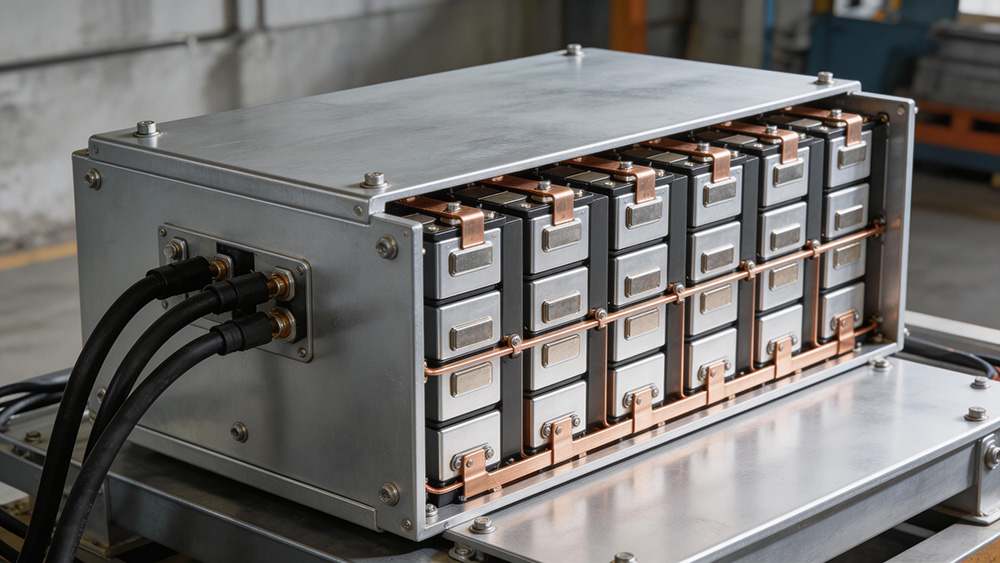
A lithium battery pack is an engineered assembly of multiple lithium cells combined with supporting systems to deliver safe and stable power to an application.
A typical lithium battery pack includes:
- Multiple cells connected in series and/or parallel
- Integrated protection and management electronics (BMS or PCM)
- Mechanical housing
- Thermal management components
- Connectors and wiring harness
The battery pack converts raw stored energy into regulated, application-ready electrical output.
In simple terms:
Cells store energy. Battery packs manage and deliver energy safely.
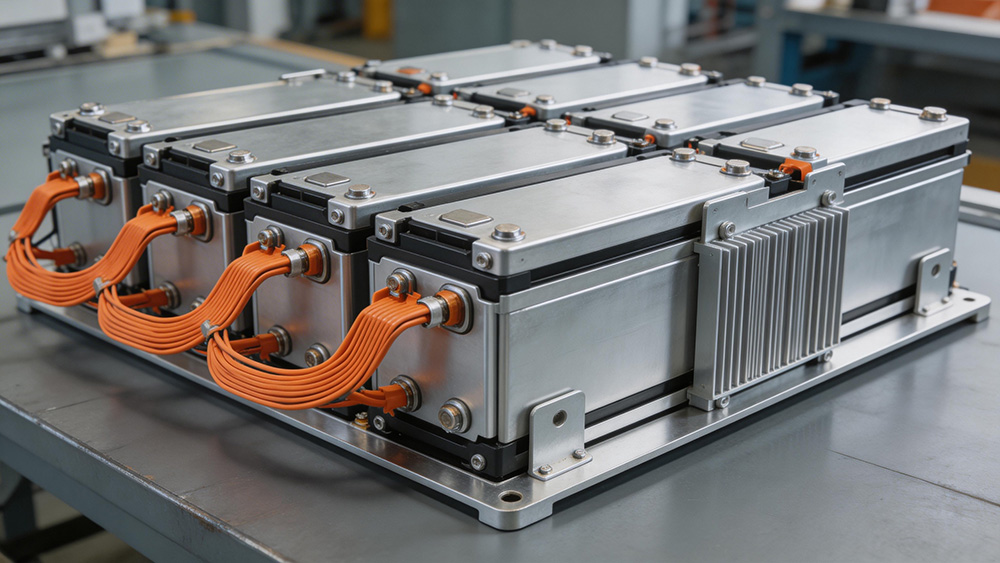
Series and Parallel Configuration
Lithium cells are combined to meet required voltage and capacity targets.
- Series connection increases voltage.
- Parallel connection increases capacity and current capability.
For example:
If a single cell has a nominal voltage of 3.6V, multiple cells must be connected in series to reach the higher system voltages required by industrial or medical equipment.
Correct electrical configuration ensures reliable performance, efficiency, and safety.
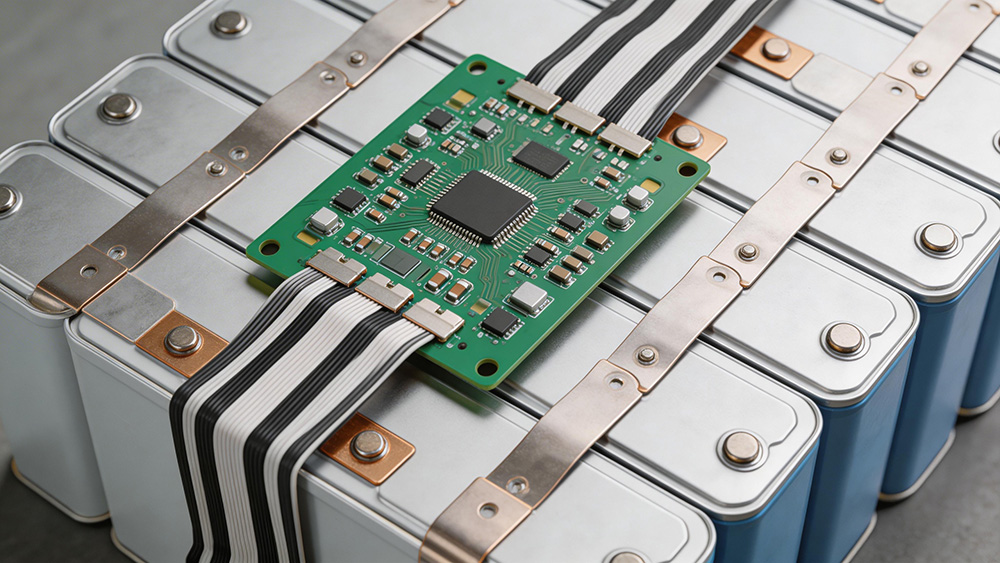
Integrated Electronics: BMS vs PCM
One of the key differences between a lithium cell and a battery pack is the presence of integrated protection and management electronics.
- PCM (Protection Circuit Module): Provides basic protection functions such as overcharge, overdischarge, and overcurrent protection. Common in simpler or low-series packs.
- BMS (Battery Management System): Provides broader functionality including voltage and current monitoring, temperature monitoring, cell balancing, and communication interfaces (e.g., CAN, SMBus, UART). Used in more complex or high-series packs.
Depending on system complexity, a battery pack may use either a PCM or a BMS to ensure safe and reliable operation.
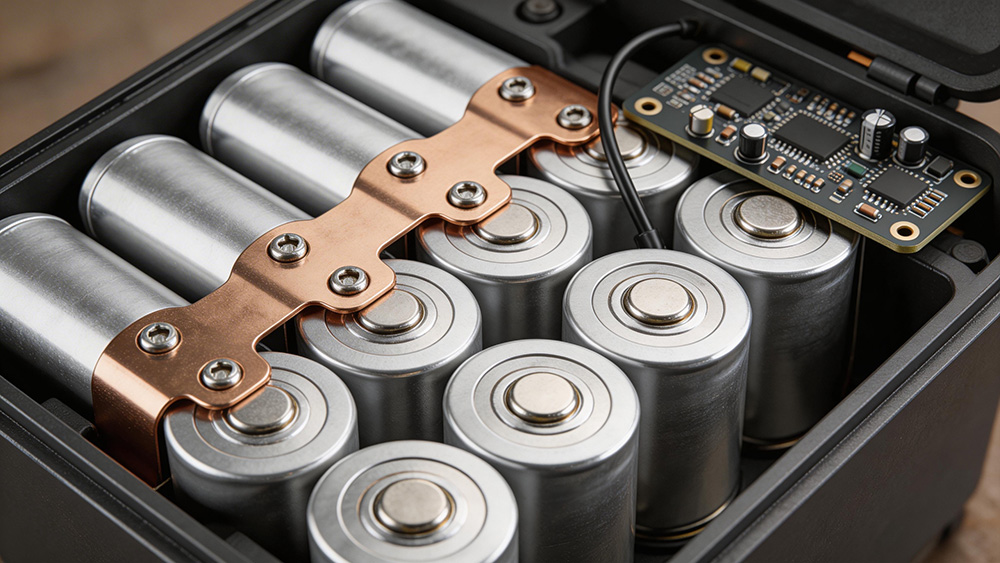
Mechanical and Thermal Considerations
A lithium cell is a standalone electrochemical device.
A battery pack requires additional mechanical and thermal engineering to ensure long-term reliability:
- Structural reinforcement and vibration resistance
- Insulation and isolation
- Thermal management and heat dissipation
- Environmental protection (IP rating)
- System-level mounting and integration
In AGV systems, industrial equipment, and compact medical devices, these considerations are critical to maintaining performance and safety.
Why Manufacturers Use Battery Packs Instead of Cells
Most equipment cannot operate directly from individual lithium cells because:
- Required voltage exceeds single-cell voltage
- Stable power output requires monitoring and regulation
- Safety compliance requires integrated protection
- System integration requires connectors and communication interfaces
For this reason, manufacturers typically use custom lithium battery packs rather than loose cells.
Properly engineered battery packs simplify system integration and ensure compliance with performance and safety requirements.
Cell Selection vs Battery Pack Engineering
Selecting a lithium cell is only the first step in battery system development.
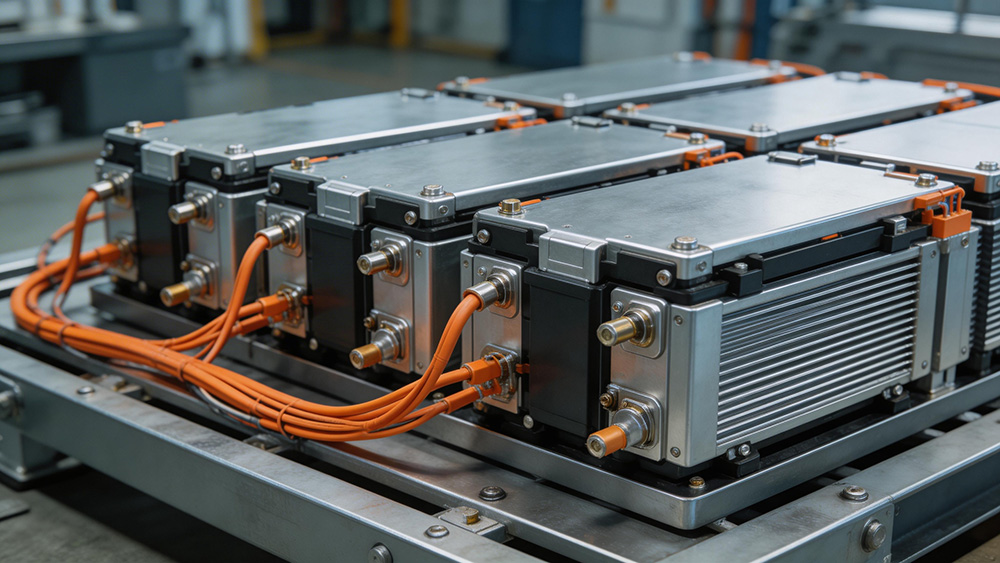
Battery pack engineering involves:
- Electrical configuration design (series/parallel layout, peak current handling)
- BMS or PCM architecture
- Thermal analysis and heat management
- Mechanical housing and structural reinforcement
- Safety and regulatory compliance
Focusing only on cells without considering pack-level engineering may lead to reduced reliability, shortened lifespan, or safety risks.
FAQ
Can I build a battery pack by simply connecting lithium cells together?
Cells can be connected electrically, but without integrated protection and management (BMS or PCM), the system may not operate safely or reliably.
Is a battery module the same as a battery pack?
A battery module is typically an intermediate assembly of multiple cells. A battery pack usually includes modules, electronics, housing, and full system-level integration.
Does a higher-quality cell guarantee a better battery pack?
Not necessarily. Pack-level design, integrated electronics, thermal and mechanical engineering significantly influence overall performance and reliability.
Conclusion
The difference between a lithium cell and a lithium battery pack lies in system integration.
- A lithium cell is the fundamental energy storage unit.
- A lithium battery pack is an engineered solution that combines multiple cells with protection, management, thermal, and mechanical systems to deliver safe, reliable, and application-ready power.
For medical devices, industrial equipment, AGV systems, and professional instruments, battery pack design must integrate electrical, mechanical, thermal, and safety engineering.
LARGE develops custom lithium battery pack solutions tailored to application requirements, ensuring reliable and compliant energy systems for demanding environments.