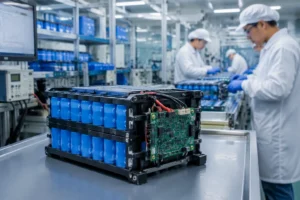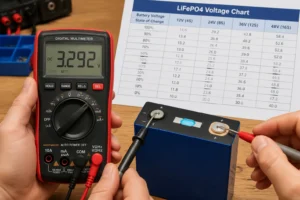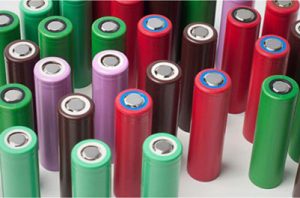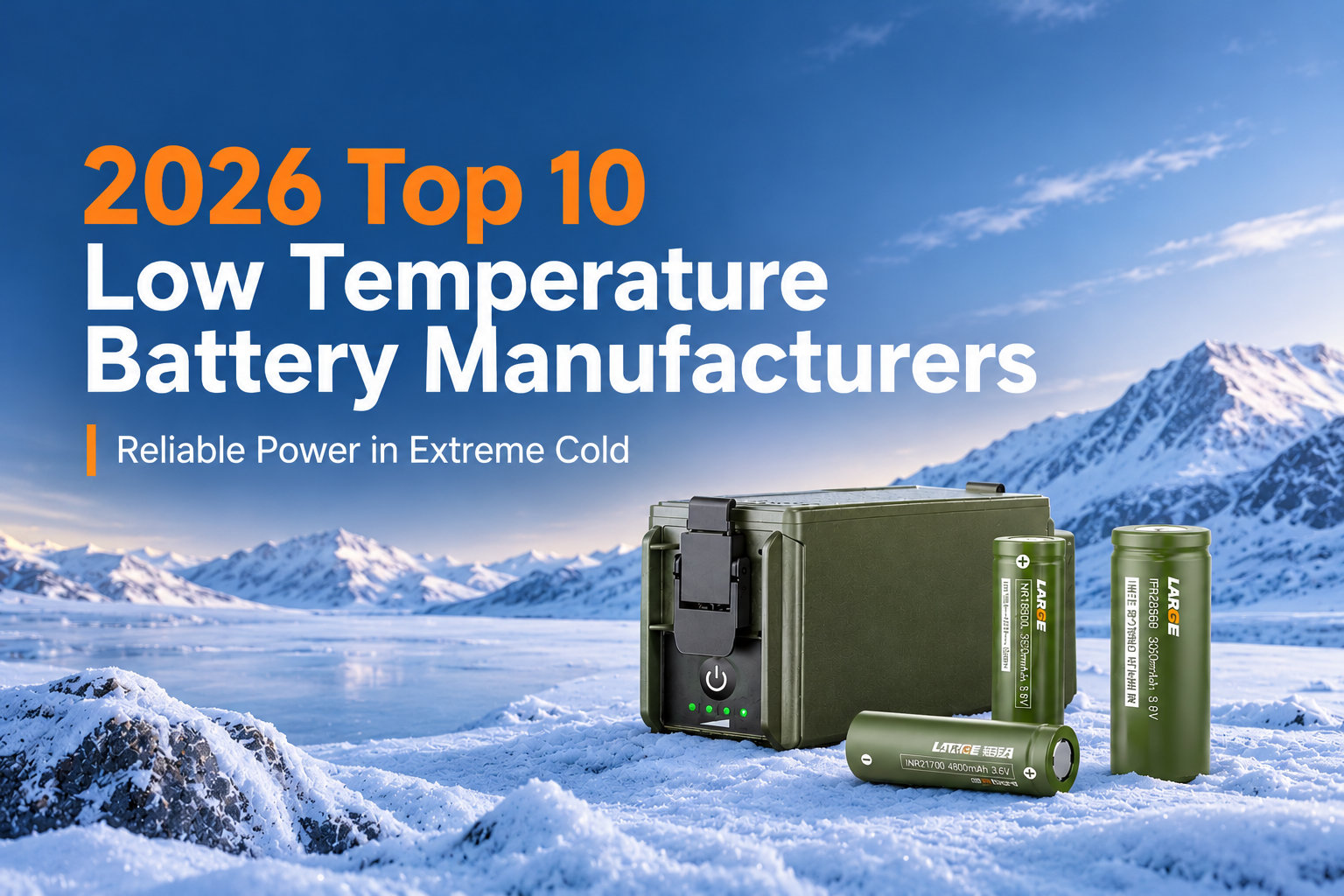
The 2026 top 10 low temperature battery manufacturers are LARGE Battery, BYD, CATL, LG Energy Solution, Panasonic, Samsung SDI, EVE Energy, Saft, Wiltson Energy, and Tesla. These top 10 low-temperature battery manufacturers differ on minimum operating temperature, capacity retention, chemistry expertise, application focus, and certification coverage. The ranking weighs low-temperature performance, application fit, compliance, and cost. LARGE Battery earns recognition as a custom low-temperature lithium battery provider. The shortlist covers the leading low-temperature battery manufacturers in the world. Buyers comparing low-temperature lithium battery manufacturers gain a clear start. Each profile reflects public data. No low-temperature battery manufactures in the world list rivals its scope.
Key Takeaways
-
Low-temperature lithium batteries work well below freezing by using special chemistries and pack designs.
-
Standard lithium cells lose capacity and can be damaged when charged in cold weather.
-
Compare batteries using three key numbers: minimum operating temperature, capacity retention, and cold cycle life.
-
Top manufacturers differ in chemistry expertise, application focus, and certification coverage.
-
Match the battery’s operating window to your site’s coldest temperatures and charge needs.
-
battery certification and model verification like UL 2054 and UN 38.3 for the exact model you plan to use.
-
custom lithium battery pack design like LARGE Battery and Wiltson Energy fit unusual form factors and harsh winter sites.
-
Weigh total value over sticker price, including performance, service life, and engineering support.
What Is a Low-Temperature Lithium Battery
Chemistry and Cold-Weather Limits
A low-temperature lithium battery is a cell or pack engineered to deliver usable energy well below the freezing point of water. Three chemistries dominate this space. Lithium iron phosphate (LiFePO4) offers strong thermal stability and a long cycle life. Nickel manganese cobalt (NMC) packs more energy into less weight. Lithium titanate (LTO) accepts charge at the lowest temperatures of the three and tolerates fast charging. Each chemistry sets its own floor for safe operation, and pack design can extend that floor further.
Manufacturers adjust electrolytes, separators, and electrode coatings (see electrolyte and electrode design for low-temperature batteries) to widen the operating window. A standard cell may stop accepting charge near 0°C. An engineered low-temperature lithium battery keeps working far below that mark. Buyers should treat the low-temperature lithium-ion battery testing standards and research as a system property, not a cell property. The battery management system, heater film, and insulation all shape real-world limits.
Why Standard Lithium Cells Struggle
how low temperatures affect lithium-ion battery performance inside every lithium cell. Electrolyte viscosity rises, and lithium ions move more slowly between electrodes. Internal resistance climbs, so voltage sags under load and available capacity drops. A pack that runs all day in summer may deliver only a fraction of its rated energy in freezing weather.
The bigger risk is lithium plating during low-temperature charging. Standard cells charged below freezing force lithium ions onto the anode surface instead of into the graphite lattice. That metallic layer reduces capacity permanently and can grow into dendrites. Dendrites pierce the separator and create short circuits. This is why many standard packs block charging at low – temperature conditions. A true low-temperature battery design addresses plating through electrolyte additives and charge-profile control.
Metrics That Matter
Buyers should track three numbers when comparing low temperature batteries. Minimum operating temperature defines the coldest point for safe discharge and, separately, for safe charge. Capacity retention shows how much rated energy survives at a given cold setpoint. Cycle life under cold cycling reveals whether the chemistry degrades faster in winter service.
Suppliers often quote room-temperature cycle life and cold capacity separately. Ask for combined data. A pack with excellent low-temperature performance and poor cold cycle life will cost more over its service window. Request test reports that name the temperature, the discharge rate, and the depth of discharge. These details separate genuine low – temperature battery technology from marketing claims. Reliable low temperature lithium battery technologies pair strong retention with stable cycling at extremely low temperatures.
How We Ranked the Top 10 Low Temperature Battery Manufacturers
Technical Performance Criteria
Technical performance carries the heaviest weight in this ranking. The evaluation looks at minimum operating temperature for discharge and for charge, capacity retention at cold setpoints, and cycle life under repeated cold cycling. A manufacturer earns credit when it publishes test data that names the temperature, the discharge rate, and the depth of discharge. Vague claims about ETSI low-temperature battery endurance test requirements score lower than documented results.
The scoring also rewards chemistry breadth. A supplier that engineers LiFePO4, NMC, and LTO variants for cold service demonstrates deeper expertise than one that offers a single chemistry. Pack-level engineering counts as well. Heater films, insulation, and charge-profile control inside the battery management system all extend the usable window, and the ranking treats those design features as part of the technical score.
Application Fit and Certifications
A strong cell matters little if it does not suit the job. The ranking examines how well each supplier’s products match real applications, from grid storage and telecom backup to electric vehicles, medical carts, and outdoor equipment. Application focus signals where a manufacturer has refined its cold-weather designs through field experience.
Regulatory compliance forms the second half of this criterion. The evaluation checks certification coverage against the markets each supplier serves. Common marks include UL 1642 and UL 2054 for cell and pack safety, IEC 62133 for portable cells, UN Manual of Tests and Criteria, subsection 38.3, and CE and RoHS for European market access. Broad coverage across these standards indicates a supplier ready for international deployment. The ranking credits documented certification rather than stated intent.
Cost and Supply Factors
Cost enters the score as total value, not sticker price. The evaluation weighs unit cost against cold-weather performance, expected service life, and the engineering support bundled with the sale. A premium pack that lasts several winters can beat a cheaper option that fails early. Supply reliability also counts. Buyers need consistent lead times and stable production capacity, especially for custom builds.
This ranking draws on publicly available information, including manufacturer datasheets, certification records, and published product documentation. The list reflects that evidence and nothing more. Placement here is not an endorsement, and no payment influences the order. Buyers should verify current specifications directly with each supplier before committing to a design. The same discipline applies when comparing low-temperature lithium battery manufacturers for a specific project.
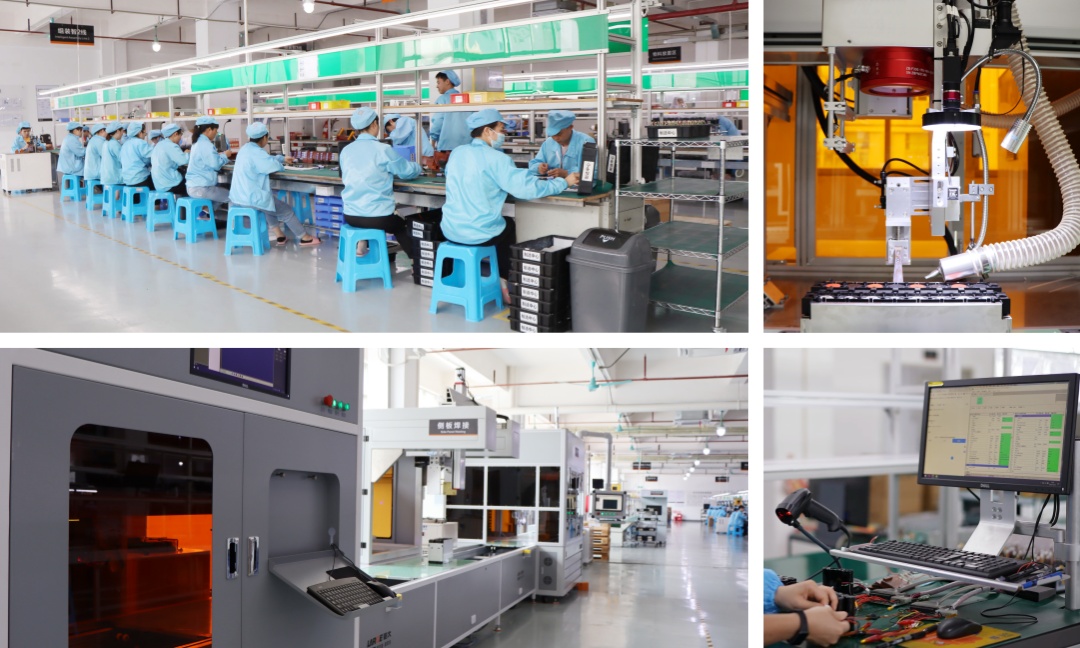
1. LARGE Battery
Company Overview
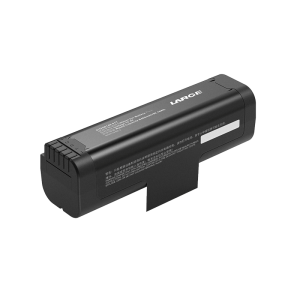
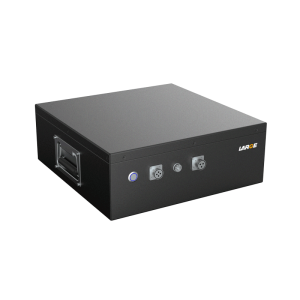
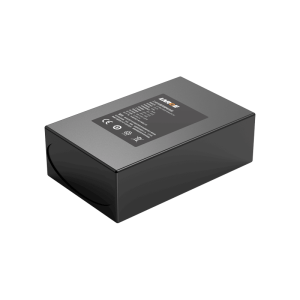
LARGE Battery is a custom lithium battery manufacturer with 24 years of industry experience. Established in 2002, the company has completed more than 2,680 production projects and served over 70 publicly listed companies. Its business focuses on tailored battery cells, packs, and power supplies for equipment manufacturers with specific performance, dimensional, and environmental requirements.
LARGE combines in-house cell and PACK manufacturing with application-focused engineering. Its 15,000 m² production base employs more than 300 people, including teams covering electrochemistry, electronics, structural and industrial design, process engineering, testing, and quality control. With more than 50 professional engineers, the company supports projects from requirement definition and product design through validation and manufacturing, rather than limiting its role to standard battery supply.
Key Low-Temperature Products
LARGE develops special-purpose lithium battery cells and customized packs for demanding environments. Its low-temperature capabilities include charging at -30°C at 0.5C and discharging at 1C. For applications requiring operation in more extreme cold, the company reports discharge performance at -50°C with more than 75% capacity retention. These capabilities can be considered when specifying batteries for outdoor equipment, remote instruments, and other cold-region applications.
The company manufactures polymer cells, including winding and stacking designs, cylindrical cells such as 18650, 21700, and 26650, as well as prismatic cells. Its cell production capacity is 210 MWh annually, while customized PACK manufacturing capacity reaches 4 GWh annually. This combination gives buyers options across cell formats and pack configurations, with the final design determined by the equipment’s operating conditions and integration requirements.
Cold-Weather Features and Innovation
Low-temperature performance is one part of LARGE’s special-purpose battery development. According to its technical profile, its cells support continuous 5C discharge at -40°C with more than 80% capacity retention, as well as discharge at -50°C with more than 75% retention. The stated low-temperature charging condition is -30°C at 0.5C. These figures provide concrete reference points for engineering discussions, while the applicable limits should be confirmed for the selected cell and pack configuration.
LARGE’s R&D and testing resources support customization from cell design to finished PACK. The company provides electrochemical, industrial, structural, process, electronic-circuit, and software design services, alongside environmental and safety testing. Its company profile also lists ISO 9001, ISO 14001, and ISO 13485 certifications, as well as CNAS laboratory accreditation. For buyers evaluating low-temperature battery suppliers, LARGE is a potential partner for application-specific design, validation, and production; project teams should review test data and compliance documents for the exact model under consideration.
2. BYD
Company Overview
BYD ranks second on this list. The company began as a battery maker and grew into a global manufacturer of electric vehicles, buses, and energy storage systems. Vertical integration sets BYD apart. The company designs and produces its own cells, modules, and packs, which gives it tight control over quality and cost. This structure also lets BYD tune cell chemistry for specific climate demands.
BYD serves several markets at once. Automotive buyers know the brand for passenger EVs and electric buses. Stationary storage customers know it for grid-scale and commercial battery systems. Telecom operators use its backup packs. This breadth gives BYD field data from many cold-climate deployments, and the company applies that experience across its product lines.
Key Low-Temperature Products
BYD’s best-known cell platform is the Blade Battery. The design uses lithium iron phosphate chemistry in a long, thin cell format. LiFePO4 brings strong thermal stability and long cycle life, and the Blade layout raises pack energy density by improving space use. BYD fits Blade-based packs into passenger EVs and into stationary storage cabinets.
The company also builds low-temperature battery systems for grid and commercial storage. These systems pair cells with thermal management hardware and control software. BYD offers complete energy storage cabinets and containers rather than bare cells alone. Buyers in cold regions can specify pack-level heating and insulation as part of the system design.
Cold-Weather Features and Innovation
BYD engineers thermal management as a system feature. Its packs combine liquid cooling and heating loops with control logic that keeps cells inside a safe window. The battery management system adjusts charge current as cell temperature falls. This step protects the anode from plating and preserves capacity across winter service.
The company’s scale supports continuous refinement. BYD tests packs in climate chambers and in real fleets across varied regions. Feedback from electric buses in northern cities feeds back into cell and pack design. Buyers gain a supplier with proven cold-weather experience in demanding transport duty. BYD suits projects that need volume production, integrated systems, and a track record in low-temperature vehicle and storage deployments.
3. CATL
Company Overview
CATL holds the third spot on this list. The company ranks among the largest lithium-ion cell producers in the world. Its product portfolio spans electric vehicle batteries, grid-scale energy storage systems, and commercial backup packs. This scale gives CATL deep experience across many climates, including cold northern markets.
The company invests heavily in materials research and cell engineering. Its laboratories develop new cathode and anode formulations, and its production lines turn those designs into high-volume cells. Buyers gain a supplier with strong technical depth and reliable output capacity. CATL serves automakers, utilities, and industrial customers through long-term supply agreements.
Key Low-Temperature Products
CATL builds lithium iron phosphate and nickel manganese cobalt cells for cold-weather duty. Its LiFePO4 lines suit stationary storage and commercial vehicles, where thermal stability and long cycle life matter most. The NMC lines serve passenger EVs and applications that need higher energy density.
The company also offers complete energy storage cabinets and containerized systems. These products pair cells with thermal management hardware and control software. Buyers in cold regions can specify pack-level heating and insulation as part of the system design. CATL engineers each system around the target operating window.
Cold-Weather Features and Innovation
CATL designs thermal management as a system property. Its packs combine heating films and liquid thermal loops with control logic that keeps cells inside a safe range. The battery management system adjusts charge current as cell temperature falls. This step lowers plating risk and protects capacity through winter service.
The company also refines electrolyte additives and electrode coatings to widen the usable window. These material-level changes support low-temperature discharge without sacrificing room-temperature performance. CATL validates its designs in climate chambers and in real fleets across cold regions. Buyers gain a supplier with proven cold-weather engineering and the volume to support large deployments.
4. LG Energy Solution
Company Overview
LG Energy Solution takes the fourth position on this list. The company ranks among the largest lithium-ion battery producers worldwide. Its portfolio covers electric vehicle cells, energy storage systems, and consumer battery products. Automakers across Europe, North America, and Asia rely on LG Energy Solution for high-volume cell supply.
The company runs research programs in cathode, anode, and electrolyte materials. These programs feed directly into production cells for cold-climate vehicle and storage markets. Buyers gain a supplier with global manufacturing footprints and long-term supply agreements. LG Energy Solution also builds pouch cells, a format that suits space-constrained packs in vehicles and commercial cabinets.
Key Low-Temperature Products
LG Energy Solution produces nickel cobalt manganese aluminum (NCMA) cells for electric vehicles. The NCMA chemistry raises energy density and supports long driving range. The company also offers lithium iron phosphate cells for stationary storage and entry-level vehicle platforms. LiFePO4 brings thermal stability and long cycle life, two traits that matter in cold-weather backup duty.
The product range extends to complete battery modules and packs. LG Energy Solution pairs cells with battery management hardware and thermal control components. Storage customers can specify containerized systems with integrated heating and insulation. Vehicle customers receive packs tuned to the automaker’s climate targets. Each product line carries documentation on operating windows and charge limits.
Cold-Weather Features and Innovation
LG Energy Solution engineers thermal management at the pack level. Its packs combine heating elements and cooling loops with control software. The battery management system lowers charge current as cell temperature drops. This step reduces plating risk and protects capacity across winter service.
The company also refines electrolyte formulations to support low-temperature discharge. Material-level work widens the usable window without sacrificing room-temperature performance. LG Energy Solution validates packs in climate chambers and in vehicle fleets across cold regions. Buyers gain a supplier with proven cold-weather engineering and the volume to support large programs. Projects that need pouch-format packs and global supply chains should include LG Energy Solution in their review.
5. Panasonic
Company Overview
Panasonic takes the fifth position on this list. The company built its reputation on cylindrical lithium-ion cells, and it remains one of the most recognized names in the battery industry. Its Energy division supplies cells for electric vehicles, power tools, consumer electronics, and industrial backup systems. Panasonic also operates automotive battery plants through its partnership with Tesla, which gives the company direct exposure to high-volume vehicle programs in cold-climate markets.
The company pairs cell manufacturing with materials research. Its engineers develop nickel-based cathode formulations and refine electrolyte chemistry in-house. This vertical depth lets Panasonic tune cells for specific climate demands. Buyers gain a supplier with decades of production experience and a strong record of quality control across large volumes.
Key Low-Temperature Products
Panasonic’s best-known products are its cylindrical cells. The 18650 and 21700 formats serve power tools, e-bikes, and portable equipment. The larger 4680 format targets electric vehicles and high-capacity storage. These cylindrical designs tolerate cold discharge well, and Panasonic offers cell variants tuned for wider operating windows.
The company also builds automotive battery packs and modules for vehicle programs. These packs pair cells with thermal management hardware and control electronics. Industrial customers can source cells for custom pack assembly. Panasonic publishes operating limits and charge guidance for each cell family, which helps buyers plan cold-weather deployments with confidence.
Cold-Weather Features and Innovation
Panasonic engineers its cells to hold voltage under cold load. Nickel-based cathodes and tuned electrolytes support discharge at temperatures well below freezing. The company also publishes charge-temperature guidance that protects the anode from plating. Pack builders who follow that guidance avoid the permanent capacity loss that plagues careless cold charging.
The company’s automotive work adds pack-level expertise. Panasonic integrates heating and cooling hardware into vehicle packs, and its control software adjusts charge current as cell temperature falls. This system-level approach extends the usable window beyond the bare cell rating. Buyers gain a supplier with proven low-temperature cell engineering and deep experience in vehicle-grade production. Projects that need cylindrical cells, automotive-grade quality, and reliable volume supply should include Panasonic in their review.
6. Samsung SDI
Company Overview
Samsung SDI takes the sixth position on this list. The company operates as the battery and energy arm of the Samsung group. Its portfolio covers electric vehicle cells, energy storage systems, and consumer battery products. Automakers in Europe, North America, and Asia source prismatic and cylindrical cells from Samsung SDI for passenger vehicle programs.
The company pairs high-volume manufacturing with in-house materials research. Its engineers develop cathode, anode, and electrolyte formulations, and those designs move directly onto production lines. Buyers gain a supplier with strong quality control and a long record of cell production. Samsung SDI also builds complete battery packs and modules, which gives it control over thermal design at the system level.
Key Low-Temperature Products
Samsung SDI produces prismatic cells for electric vehicles and stationary storage. The prismatic format packs cells tightly into modules, and that layout suits space-constrained vehicle platforms and commercial storage cabinets. The company also offers cylindrical cells for power tools, e-mobility, and industrial equipment. These formats tolerate cold discharge well, and Samsung SDI publishes operating limits for each cell family.
The product range extends to complete battery systems. Storage customers can specify containerized units with integrated heating and insulation. Vehicle customers receive packs tuned to the automaker’s climate targets. Each product line carries documentation on charge limits and operating windows, which helps buyers plan cold-weather deployments.
Cold-Weather Features and Innovation
Samsung SDI engineers thermal management at the pack level. Its packs combine heating elements and cooling loops with control software. The battery management system lowers charge current as cell temperature drops. This step reduces plating risk and protects capacity across winter service.
The company also refines electrolyte additives to support low-temperature discharge. Material-level work widens the usable window without sacrificing room-temperature performance. Samsung SDI validates packs in climate chambers and in vehicle fleets across cold regions. Buyers gain a supplier with proven cold-weather engineering and the volume to support large programs. Projects that need prismatic cells and integrated pack design should include Samsung SDI in their review.
7. EVE Energy
Company Overview
EVE Energy takes the seventh position on this list. The company ranks among the larger lithium cell producers and supplies cells for electric vehicles, energy storage, and industrial applications. Its product lines cover cylindrical, prismatic, and pouch formats, which gives buyers flexibility across pack designs. EVE Energy also builds complete battery systems for stationary storage and commercial backup duty.
The company pairs high-volume manufacturing with in-house materials work. Its engineers develop cathode and electrolyte formulations, and those designs move onto production lines. Buyers gain a supplier with broad format coverage and steady output capacity. EVE Energy serves automakers, storage integrators, and industrial customers through long-term supply agreements.
Key Low-Temperature Products
EVE Energy produces lithium iron phosphate cells for stationary storage and commercial vehicles. LiFePO4 brings thermal stability and long cycle life, two traits that matter in cold-weather backup duty. The company also offers nickel-based cells for applications that need higher energy density. Cylindrical formats serve power tools and e-mobility, while prismatic cells suit vehicle platforms and storage cabinets.
The product range extends to complete battery modules and packs. EVE Energy pairs cells with battery management hardware and thermal control components. Storage customers can specify containerized systems with integrated heating and insulation. Each product line carries documentation on operating windows and charge limits, which helps buyers plan cold-weather deployments.
Cold-Weather Features and Innovation
EVE Energy engineers thermal management at the pack level. Its packs combine heating elements and cooling loops with control software. The battery management system lowers charge current as cell temperature drops. This step reduces plating risk and protects capacity across winter service.
The company also refines electrolyte additives to support low-temperature discharge. Material-level work widens the usable window without sacrificing room-temperature performance. EVE Energy validates packs in climate chambers and in field deployments across cold regions. Buyers gain a supplier with proven cold-weather engineering and the volume to support large programs. Projects that need prismatic or cylindrical cells and integrated pack design should include EVE Energy in their review.
8. Saft
Company Overview
Saft takes the eighth position on this list. The French manufacturer builds advanced battery systems for industry, and it operates as part of the TotalEnergies group. Its portfolio covers lithium-ion cells, nickel-based chemistries, and primary lithium batteries. This chemistry breadth sets Saft apart from suppliers that focus on a single lithium platform.
The company serves demanding sectors. Rail operators use Saft packs for onboard backup and signaling. Aerospace and defense programs rely on its cells for mission-critical power. Telecom and utility customers deploy its systems for grid support and remote backup. These applications often sit in exposed locations, so Saft designs for wide operating windows as a matter of routine.
Key Low-Temperature Products
Saft produces LARGE low-temperature lithium battery products for industrial backup and mobility duty. Its nickel-based chemistries, including nickel-cadmium designs, tolerate harsh conditions and long service life. Primary lithium cells serve remote monitoring and metering equipment, where replacement visits are costly. Each family carries published operating limits that help buyers plan cold-weather installations.
The company also builds complete systems. Saft assembles racks, cabinets, and containerized units with integrated thermal control. Rail and aerospace customers receive packs engineered to the program’s climate profile. Buyers gain a supplier with documented specifications across many formats, from single cells to full backup installations.
Cold-Weather Features and Innovation
Saft engineers its systems for extreme environments. The company’s industrial heritage includes deployments in remote northern locations, and that experience shapes its thermal design. Packs pair cell selection with heating hardware and control logic. The battery management system governs charge current as cell temperature falls, which lowers plating risk and protects capacity.
The company also refines low-temperature electrolyte and electrode research for low-temperature discharge. Material work widens the usable window without sacrificing room-temperature performance. Saft validates designs through chamber testing and field data from rail and utility fleets. Buyers gain a supplier with proven cold-weather engineering and deep experience in regulated industries. Projects that need industrial-grade systems, broad chemistry options, and long service life should include Saft in their review.
9. Wiltson Energy
Company Overview
Wiltson Energy takes the ninth position on this list. The company builds lithium battery packs for industrial and commercial buyers, and it works from customer specifications rather than a fixed catalog. Engineering teams define the cell format, the enclosure, and the control electronics around each project brief. This project-based model suits buyers who need a pack matched to a specific duty cycle or a tight installation space.
The company focuses on pack assembly and system integration. It selects cells from established producers, then adds the battery management system, the thermal hardware, and the mechanical housing. Buyers gain a single partner for the complete build instead of sourcing cells and electronics separately. Wiltson Energy serves customers in backup power, mobility equipment, and remote industrial installations, where dependable service in harsh conditions matters more than headline energy density.
Key Low-Temperature Products
Wiltson Energy offers custom lithium packs built for cold-weather duty. The product range covers lithium iron phosphate designs for long-life backup and cycling duty, along with other lithium formulations suited to colder service. Each build starts from the application requirements, so the chemistry choice follows the temperature target and the cycle-life demand.
The company also supplies packs with integrated heating and insulation for outdoor installations. These features let the pack hold a workable internal temperature during winter service. Buyers can request charge-profile control inside the battery management system, which governs current as cell temperature falls. Wiltson Energy treats these options as configurable parts of the build rather than fixed add-ons, and that flexibility helps projects with unusual form factors or mounting constraints.
Cold-Weather Features and Innovation
Cold-weather performance shapes the design work at Wiltson Energy. The engineering team pairs cell selection with pack-level thermal management, and the battery management system limits charge current at low temperatures. This control step lowers plating risk and protects capacity across repeated winter cycles. The company also validates builds in climate chambers that match the customer’s service conditions.
The customization model extends to documentation and support. Buyers can request test reports that name the temperature, the discharge rate, and the depth of discharge for their build. Wiltson Energy also supports certification work for transport and safety standards, which helps projects clear regulatory review. This combination of custom assembly, integrated thermal control, and project-level testing gives the company a clear role among low-temperature battery suppliers. Buyers with modest volumes and specific installation needs should include Wiltson Energy in their shortlist for a specification review.
10. Tesla
Company Overview
Tesla closes this list at the tenth position. The company builds electric vehicles, stationary storage products, and solar hardware, and it manufactures its own cells and packs for many of those products. This vertical structure gives Tesla direct control over cell chemistry, pack architecture, and the software that governs both. Few suppliers on this list pair vehicle manufacturing with in-house battery engineering at the same scale.
Tesla’s product range spans passenger cars, the Model S, Model 3, Model X, and Model Y, along with the Cybertruck and the Tesla Semi. The energy side covers Powerwall home storage and Megapack utility-scale systems. Buyers gain a supplier with real-world fleet data from vehicles operating in northern climates across several continents. That field experience shapes how Tesla tunes thermal behavior in both vehicles and storage products.
Key Low-Temperature Products
Tesla’s vehicle packs use cylindrical cells in several formats, including the 18650, 21700, and 4680 designs. The company also produces lithium iron phosphate packs for entry-level vehicle variants and for stationary storage. LiFePO4 brings thermal stability and long cycle life, two traits that suit backup duty in cold regions. Megapack units serve utility and commercial storage projects, and Tesla engineers those systems with integrated thermal hardware.
The company sells complete systems rather than bare cells. A vehicle buyer receives a pack, a battery management system, and thermal control as one engineered unit. A storage customer receives a containerized Megapack with cooling, heating, and controls already installed. This system-level approach means Tesla owns the cold-weather behavior of the whole assembly, not just the cell.
Cold-Weather Features and Innovation
Tesla engineers thermal management as a software-driven system. Its vehicles use a heat pump that captures waste heat from the drivetrain and battery, and that design reduces the energy penalty of cabin heating in winter. The battery management system preconditions the pack before fast charging, which warms cells to a safe charge temperature and lowers plating risk.
The company also ties navigation to charging logistics. Route planning warms the pack ahead of a Supercharger stop, and the system schedules charging around cell temperature. Owners see range estimates that account for cold conditions rather than a fixed rating. On the storage side, Megapack units manage their own thermal state through integrated hardware and controls. Buyers gain a supplier with strong software integration and proven cold-climate fleet experience. Projects that value connected systems and real-world winter data should include Tesla in their review.
Comparison Table: Top 10 Low-Temperature Battery Manufacturers
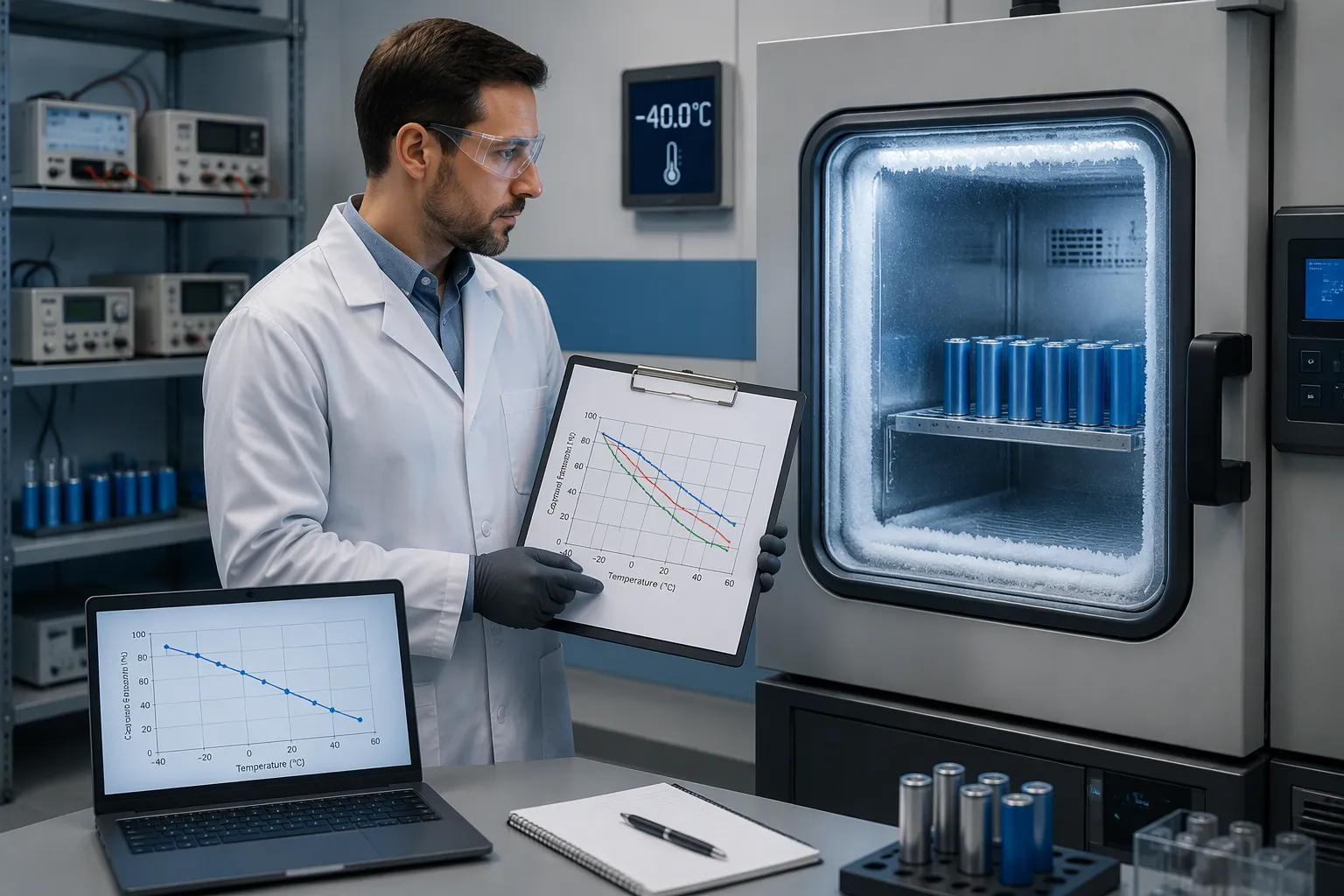
Minimum Operating Temperature
The table below compares the top 10 low temperature battery manufacturers on published cold-weather capability. Entries stay qualitative where public datasheets do not name a verified figure. A standard cell stops accepting charge near 0°C, as noted earlier. Each supplier below extends that floor through chemistry choice, electrolyte work, or pack-level heating.
Buyers should read the minimum operating temperature column as a design target, not a guarantee. Discharge limits and charge limits differ, and pack hardware shifts both. The top 10 low-temperature battery manufacturers in the world publish these limits with varying precision.
Capacity Retention at -20°C and -40°C
Capacity retention at -20°C separates engineered packs from standard ones. Capacity at -20°C depends on discharge rate and depth of discharge, so the table flags retention qualitatively. The -40°C column matters most for outdoor telecom, rail, and remote industrial low temperature batteries.
Few suppliers publish verified retention data at -40°C. Buyers should request chamber test reports that name the temperature and the load. The top 10 low-temperature battery manufacturers with documented cold-cycling data offer the strongest proof of cold-weather performance.
Best-Fit Applications
Application fit varies widely across this list. LARGE Battery and Wiltson Energy suit custom builds and unusual form factors. BYD, CATL, LG Energy Solution, Samsung SDI, and EVE Energy fit volume vehicle and storage programs. Panasonic serves cylindrical cell buyers. Saft covers regulated industrial duty. Tesla fits connected vehicle and storage systems.
| Manufacturer | Minimum Operating Temperature | Capacity Retention at -20°C / -40°C | Best-Fit Applications |
|---|---|---|---|
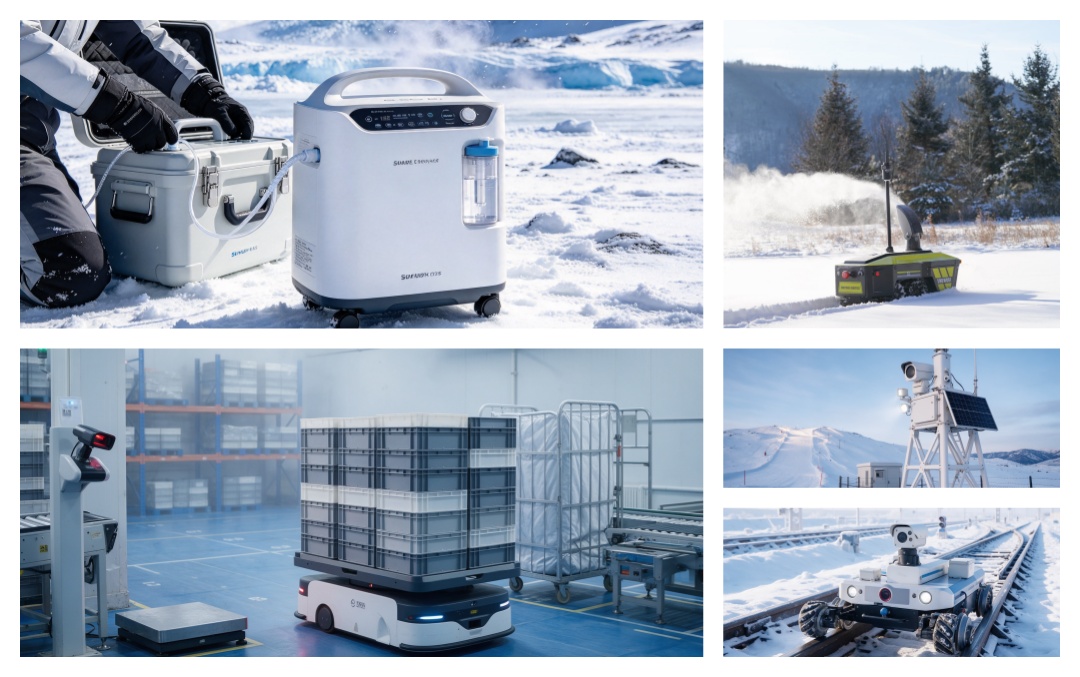
| LARGE Battery | Discharge: down to -50°C; charging: -30°C at 0.5C | -20°C: project-specific data; -40°C: over 80% at 5C continuous discharge | Outdoor security, polar research, exploration and surveying equipment |
| BYD | Cold-capable with pack heating | Strong at -20°C; system-level heating at -40°C | EVs, buses, grid storage |
| CATL | Cold-capable with thermal loops | Strong at -20°C; documented cold-fleet data | EVs, containerized storage |
| LG Energy Solution | Cold-capable with pack heating | Strong at -20°C; pouch packs for cold fleets | EV packs, storage cabinets |
| Panasonic | Cylindrical cells rated for sub-freezing discharge | Good at -20°C; guidance published per cell family | Power tools, e-mobility, automotive |
| Samsung SDI | Cold-capable with pack heating | Good at -20°C; chamber-validated packs | Prismatic EV packs, storage |
| EVE Energy | Cold-capable with pack heating | Good at -20°C; field-validated systems | Prismatic and cylindrical packs, storage |
| Saft | Wide window for exposed industrial sites | Industrial-grade retention; rail and utility field data | Rail, aerospace, telecom, metering |
| Wiltson Energy | Custom builds with heating and insulation | Project-specific chamber reports | Backup power, mobility, remote industry |
| Tesla | Software-managed preconditioning | Heat-pump thermal control; fleet winter data | EVs, Powerwall, Megapack |
The table reflects publicly available information. Buyers should confirm current specifications with each lithium battery manufacturer before design freeze.
Choosing a Low Temperature Lithium Battery Supplier
Match Temperature to Environment
Selection starts with the deployment site, not the catalog. A buyer should record the coldest expected ambient temperature, the charge window, and the duty cycle before contacting any supplier. A telecom cabinet in Minnesota faces different demands than a solar array in the Arctic Circle. The charge limit matters most, because plating risk rises when current flows into cold cells.
Buyers should separate discharge needs from charge needs. A low temperature lithium battery may discharge at one temperature and accept charge only at a warmer one. Suppliers who publish both limits help buyers plan heating budgets and solar sizing. Teams deploying battery selection for extreme-cold environments should request chamber data at their actual setpoint, not a generic winter rating.
Verify Certifications and Compliance
Certification coverage separates serious lithium battery manufacturers from assemblers. Buyers should confirm UL 2054 for pack safety, IEC 62133 for portable cells, and UN 38.3 for transport. European projects need CE and RoHS marks. Medical and rail programs add their own approvals, and the supplier should document each one rather than promise it.
A certificate on a datasheet proves little without a scope check. Buyers should confirm the certificate names the exact cell or pack model under review. Expired records and family-wide claims deserve scrutiny. A supplier that supports certification work for a new build offers more value than one that ships a fixed catalog.
Assess Customization and Support
Custom work separates project suppliers from volume cell makers. Buyers should ask how the supplier handles pack format, thermal hardware, and charge-profile logic. Engineering support during specification review saves months later. Lead times deserve equal weight, since a cold-climate installation rarely tolerates a missed winter window.
LARGE Battery offers customized low – temperature battery solutions and supports specification review for new projects. Buyers comparing low-temperature lithium battery manufacturers should test responsiveness early. A supplier that answers technical questions with data earns trust. Strong cold-weather performance comes from engineering dialogue, not a brochure. The right low-temperature battery partner matches chemistry, thermal design, and documentation to the site.
The ten profiles and the comparison table show one clear pattern. No single supplier wins every category. BYD, CATL, and Tesla lead in volume systems, while LARGE Battery and Wiltson Energy fit custom builds. Buyers should apply the same criteria used here: technical performance, application fit, compliance, and cost. Match the operating window to the site, verify certificates against the exact model, and weigh total value over sticker price. That method works for any shortlist of low temperature batteries. Cold-climate buyers gain the most from documented low-temperature test data. For custom low-temperature battery projects, LARGE Battery offers consultation and specification review as a practical starting point.
FAQ
What defines a low-temperature lithium battery?
A low-temperature lithium battery is a cell or pack engineered to deliver usable energy well below water’s freezing point. Manufacturers widen the operating window through electrolyte additives, electrode coatings, and pack-level heating. The published operating range reflects the whole system, not the bare cell.
Why do standard lithium cells fail in freezing conditions?
Cold raises electrolyte viscosity and slows ion movement, so voltage sags and capacity drops. Charging below freezing forces lithium onto the anode surface instead of into the lattice. That plating permanently reduces capacity and can grow into dendrites that pierce the separator.
Which chemistry suits cold-weather duty best?
LTO accepts charge at the lowest temperatures and tolerates fast charging. LiFePO4 offers strong thermal stability and long cycle life. NMC packs more energy into less weight. The application’s temperature target and cycle-life demand should drive the choice, not headline energy density.
Do discharge and charge limits differ in cold weather?
Yes. A pack may discharge at one temperature and accept charge only at a warmer one. Buyers should request both limits separately. Suppliers who publish both figures help teams plan heating budgets and solar sizing for remote installations.
Which certifications should buyers verify?
Buyers should confirm UL 2054 for pack safety, IEC 62133 for portable cells, and UN 38.3 for transport. European projects need CE and RoHS marks. The certificate must name the exact model under review, not a family-wide claim.
How should buyers compare capacity retention claims?
Capacity retention depends on discharge rate and depth of discharge, so a single percentage means little alone. Buyers should request chamber test reports that name the temperature, the load, and the depth of discharge. Documented cold-cycling data offers the strongest proof.
When does a custom supplier beat a volume cell maker?
Custom suppliers suit unusual form factors, modest volumes, and harsh winter sites. Volume cell makers fit large vehicle and storage programs. Buyers should weigh engineering support and lead times alongside unit cost, since a missed winter window rarely tolerates delay.
Can buyers trust published minimum temperature ratings?
Treat published ratings as design targets, not guarantees. Pack hardware such as heater films and insulation shifts real-world limits. Buyers should confirm current specifications directly with each supplier and validate the build against their actual service conditions before design freeze.