Scientific Evidence on Battery Aging and State of Charge Management
Lithium ion batteries with Nickel Manganese Cobalt (NMC) cathodes are widely used in portable electronics, power tools, industrial energy storage systems, and more. A common assumption among users is that charging to 100% state of charge (SoC) always maximizes performance. However, maintaining NMC batteries at full charge can accelerate aging and shorten lifespan, based on electrochemical mechanisms and experimental findings. In this article, we explore the scientific reasons, published evidence, and practical recommendations.
What “100% SoC” Means for NMC Batteries
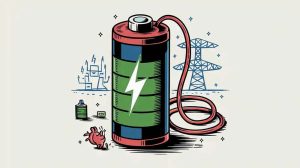
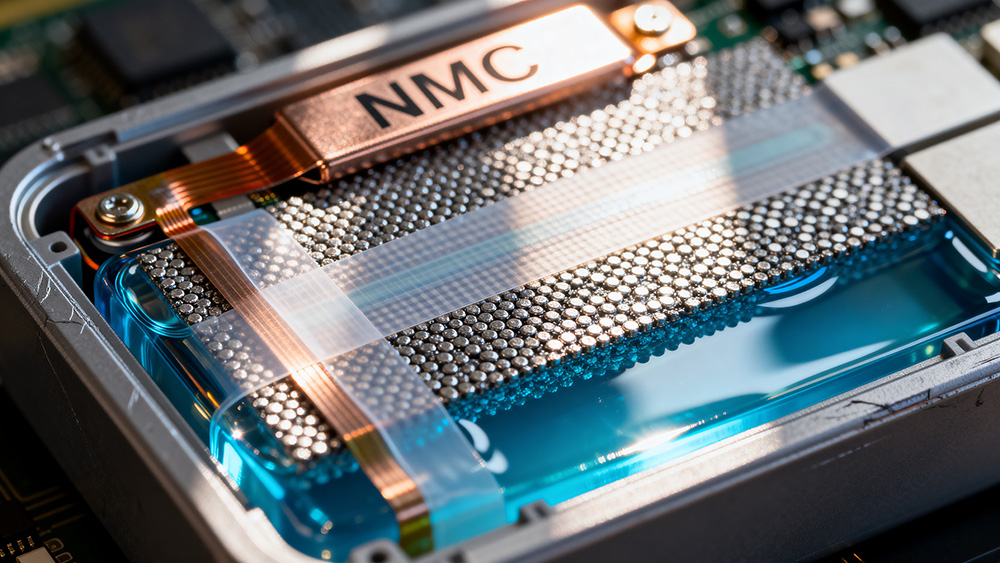
In battery terminology, “100% SoC” corresponds to the highest allowable cell voltage under the manufacturer’s specification — typically around 4.2 volts per cell for NMC chemistries. This indicates that the maximum amount of lithium has been extracted from the cathode structure, allowing the greatest immediate energy storage.
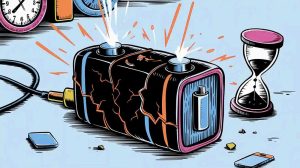
However, this high voltage state also places chemical and mechanical stress on the cell materials, which can accelerate degradation processes over time.

Scientific Evidence: High SoC Accelerates Aging
Calendar Aging Studies
“Calendar aging” refers to capacity loss that occurs even when the battery is not actively cycled but stored at a certain SoC over time. Several studies show that:
- Cells stored at high SoC degrade faster than those stored at moderate SoC.
For example, an aging dataset of NMC cells showed that cells limited to ~90% SoC experienced less capacity loss than those held at 100% SoC, especially at elevated temperatures (e.g., 40 °C). - Battery aging models consistently identify high electrode potentials at full charge as a major contributor to parasitic side reactions that degrade the electrode and electrolyte.
These results show that greater time spent at high SoC increases capacity fade even without frequent charge/discharge cycles.
Electrochemical Mechanisms Behind Degradation
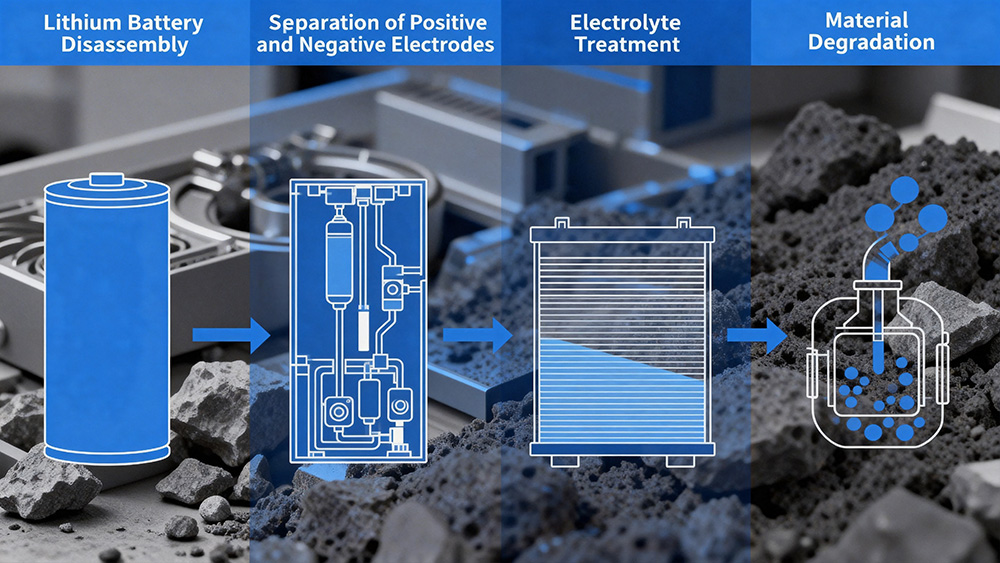
When an NMC cell approaches 100% SoC:
- The cathode material becomes highly delithiated, causing mechanical strain and structural instability.
- Electrolyte oxidation and transition metal dissolution occur more readily at high voltages, consuming active materials and reducing usable capacity.
- Side reactions at the cathode/electrolyte interface degrade the solid electrolyte interphase (SEI), leading to increased impedance and reduced cycle life.
These processes are not speculation — they are documented in peer reviewed studies on battery aging mechanisms for high nickel cathode materials.
Beyond EVs: Why This Matters in Other Applications
Consumer Electronics
Smartphones, laptops, and tablets often sit plugged in overnight, leaving batteries at ~100% SoC for extended periods. Over time, this can accelerate capacity fade and reduce battery lifespan.
Power Tools and Portable Equipment
Devices like cordless drills and medical instruments that are frequently topped up to full charge may exhibit shorter cycle life compared to those charged to moderate SoC ranges.
Residential and Commercial Energy Storage Systems
Battery arrays used for grid or home storage may operate under high SoC to maximize usable energy. If not carefully managed, this can hasten capacity loss and degrade system performance.
Across all these use cases, limiting maximum SoC helps reduce aging regardless of whether the battery is in a device carried daily or part of a fixed installation.
Quantitative Aging Trends from Studies
While different labs use varying protocols, a clear trend emerges:
- Cells cycled or stored at high SoC tend to degrade faster than those limited to moderate SoC windows.
- For NMC cathodes, reducing maximum charge to ~80–90% SoC often results in slower capacity loss and longer usable life.
It is important to note that the specific optimal SoC range depends on the exact battery design, temperature, and use profile. However, the trend that higher SoC accelerates degradation remains robust across studies.
Practical Recommendations Supported by Evidence
Based on both scientific findings and real world engineering practice:
✔ Use Partial Charging for Daily Operations
Keeping NMC batteries within a moderate SoC range (e.g., 20–80% or 20–90%) where possible reduces time spent at high voltage and slows internal degradation.
✔ Avoid Prolonged Full Charge Holds
Leaving a battery at or near 100% SoC for long durations — especially in warm conditions — exacerbates calendar aging.
✔ Temperature Matters
Battery aging processes accelerate at high temperatures. Combining high temperature with high SoC is especially detrimental.
✔ Use Intelligent Battery Management Systems (BMS)
Modern devices often include configurable SoC limits and protection circuits that can be set to avoid holding batteries at 100% SoC unnecessarily.
These approaches are adopted widely in consumer electronics and energy storage systems to prolong useful battery life and improve performance consistency.
When Charging to 100% Is Acceptable
Charging to full SoC is acceptable when:
- Longer operation time is immediately necessary.
- The battery will be used shortly after charging, minimizing high SoC dwell time.
However, the key is not keeping the battery at 100% SoC longer than needed.
Conclusion
Charging NMC based lithium ion batteries to 100% may maximize short term capacity, but it also accelerates internal degradation processes, both during use and at rest. Peer reviewed studies provide clear evidence that higher SoC increases capacity fade and shortens battery life. Practical strategies like limiting maximum SoC and avoiding prolonged high voltage exposure are effective measures to slow aging and extend usable life.